
Do Annual Pet Wellness Exams Include a Pet Physical Therapist?
Understanding the components of a comprehensive annual pet wellness exam is crucial for pet owners aiming to maintain their pet's overall health. Routine wellness exams are designed to assess and monitor various aspects of a pet's health, verifying that any potential issues are identified early. As interest in holistic pet health strategies grows, many might wonder if a pet physical therapist is included in these examinations. Pet physical therapy often involves prevention and rehabilitation strategies, aiming to enhance the quality of life for pets through improved mobility and pain reduction.
Understanding a Pet Wellness Exam
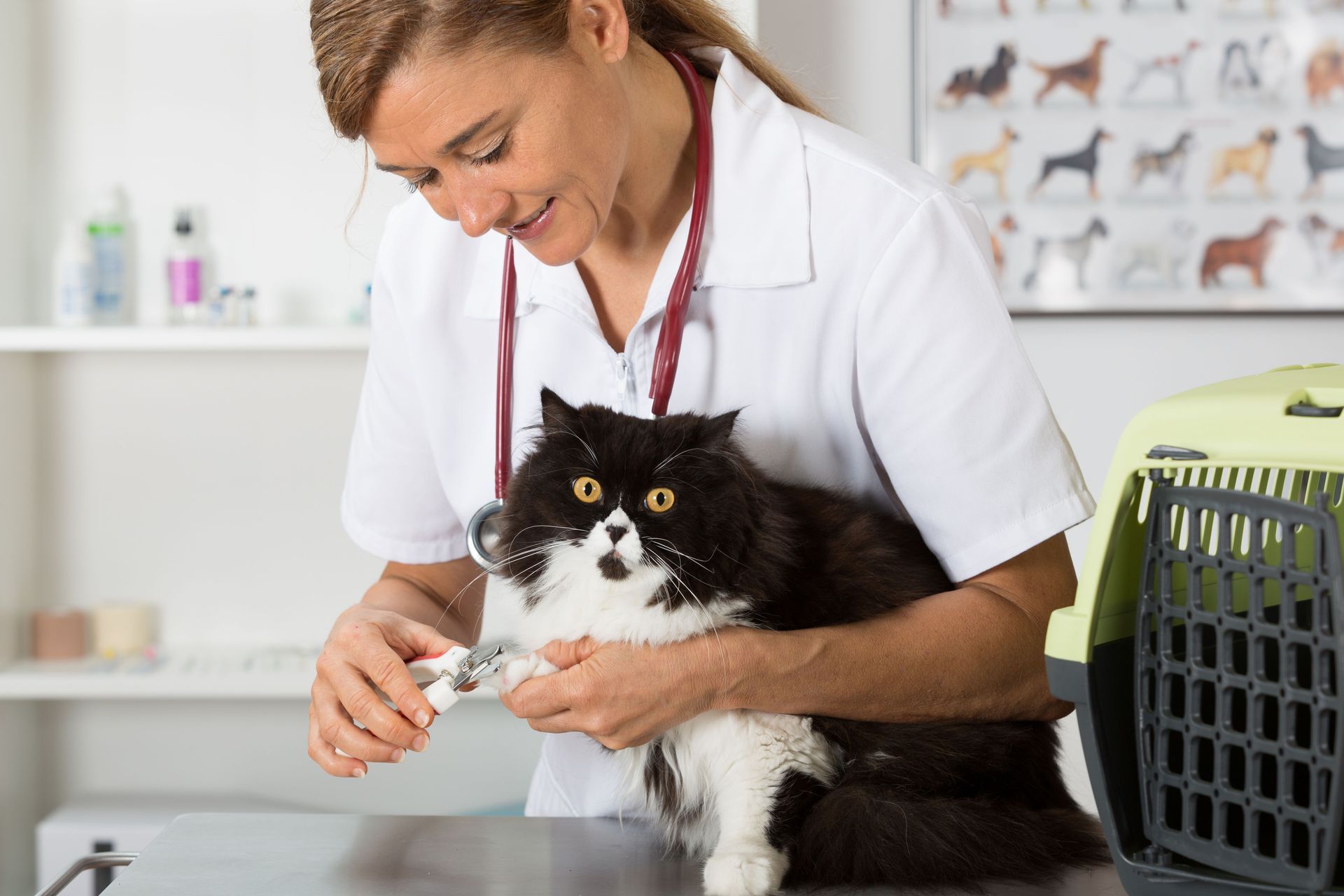
Pet wellness exams are routine check-ups that allow veterinarians to assess a pet’s overall health and identify issues before they become serious. During these exams, veterinarians evaluate factors such as weight, coat condition, dental health, and behavioral changes. These check-ups provide a baseline for tracking a pet’s health over time and aim to help pets live longer, healthier lives by maintaining optimal standards.
A typical wellness exam includes a comprehensive physical examination, blood tests, vaccinations, and assessments of diet and parasite prevention. Dental health checks, joint evaluations, and mobility assessments are often part of the process, with recommendations for lifestyle adjustments when necessary. In some cases, specialists such as a pet physical therapist may be consulted based on specific needs, confirming a tailored approach to the pet’s overall well-being.
Wellness exam frequency varies according to age, breed, and health conditions. Puppies and kittens may require more frequent visits to monitor growth, while senior pets may need biannual check-ups to address age-related changes. Differences also exist by species: dog exams often emphasize joint and gait evaluations, cat exams focus on weight and dental health, and exotic pets require specialized examination methods. According to the American Veterinary Medical Foundation, approximately 35% of veterinary practices are corporate-owned, while 65% are independent, and this distribution can influence the scope and focus of wellness exams, with urban areas sometimes offering more comprehensive packages than rural practices.
Exploring the Benefits of Physical Therapy
Pet physical therapy is a growing field focused on enhancing a pet’s health and well-being. They use techniques such as hydrotherapy, massage, and tailored exercise programs to improve mobility, relieve pain, and support recovery from injuries or surgeries. Often prescribed for conditions like arthritis or hip dysplasia, therapy helps maintain or restore physical function. While not always part of standard wellness exams, awareness and demand for these services are steadily increasing.
Integrating therapy into a pet’s healthcare routine offers numerous benefits. It can reduce pain in pets with chronic conditions, aid faster recovery after surgery, and enhance overall quality of life. Techniques such as hydrotherapy, joint mobilization, soft tissue massage, and laser therapy address both acute and chronic issues while promoting preventative care. By maintaining mobility, preventing progression of conditions, and allowing proactive monitoring, a pet physical therapist supports long-term health and wellness for every pet.
Examining the Inclusion of Therapists
Currently, the inclusion of physical therapists in standard pet wellness exams isn't widespread, though more veterinary practices now recognize the value of these services. As the benefits of physical therapy become clearer, a growing number of clinics are exploring integrated wellness programs, combining traditional exams with rehabilitative care. While not yet fully standardized, practices offering these services are receiving positive responses from pet owners. Pet owners can work with a pet physical therapist to guarantee their pets receive tailored interventions within these programs.
Incorporating physical therapy into routine exams can involve additional costs, including fees for specialist services and any necessary equipment or facilities. Many pet owners, however, view these expenses as an investment in their pet’s long-term health and quality of life. Some veterinary practices are adapting pricing models to make therapy more accessible, balancing comprehensive care with financial considerations and evolving client expectations.
Owner awareness plays a critical role in driving demand for physical therapy. Educated pet owners increasingly advocate for holistic health care, and resources from veterinary professionals help highlight therapy’s preventative and rehabilitative benefits. Veterinarians’ perspectives vary depending on practice goals and client demographics, with some championing its integration while others cite logistical or financial constraints. Overcoming barriers—including cost, facility limitations, and specialized staffing—requires collaboration and a commitment to innovation in pet wellness care.
Recognizing Signs a Pet Needs Therapy
There are several signs that a pet might benefit from physical therapy. Difficulty standing, walking, or climbing stairs, stiffness, reluctance to play or exercise, changes in posture or gait, and vocal expressions of pain can indicate underlying physical issues. Early detection allows timely interventions, helping prevent problems from worsening and improving overall quality of life.
Numerous case studies highlight the positive impact of therapy on pets. Pets recovering from surgery often regain mobility faster, while arthritic or aging pets experience pain relief and increased vitality through consistent sessions. A pet physical therapist works with veterinarians and owners to develop tailored plans, integrating therapy with ongoing medical care to maximize outcomes and support long-term health and well-being.
Locating a Qualified Therapist
A pet physical therapist requires professional training and certification to provide competent care. Certifications such as the Certified Canine Rehabilitation Practitioner (CCRP) and Certified Canine Rehabilitation Therapist (CCRT) confirm therapists have knowledge of animal anatomy, treatment protocols, and rehabilitation techniques. Understanding these qualifications helps pet owners select therapists committed to high standards of care, supporting expertise critical for successful therapy outcomes.
Choosing the right therapist involves considering multiple factors. Recommendations from veterinarians or other pet owners offer valuable insights into local providers, while evaluating certifications and experience with specific conditions supports credibility. Personal rapport and clear communication between the therapist and owner also contribute to an effective, confident therapy partnership.
Finding reputable therapy services often begins with veterinary referrals, professional directories, or community recommendations. In-house services at veterinary clinics can facilitate integrated care, while online directories and local networks provide information about certified therapists and available services. Checking references and reviews, including client testimonials, helps gauge quality and effectiveness. Building a strong relationship with the therapist through regular updates and open communication fosters collaboration and supports positive outcomes for pets.
Exploring Future Trends in Wellness Exams
Technological advancements are reshaping pet physical therapy, improving treatment precision and outcomes. Equipment like underwater treadmills and laser therapy machines, along with wearable devices tracking activity and recovery, allows therapists to provide personalized, efficient care. Telemedicine platforms further expand access to expertise, enabling proactive monitoring and tailored interventions that enhance rehabilitation results.
The field continues to evolve through research, holistic care initiatives, and expanded access. Integrated wellness packages combining traditional and alternative therapies, along with growing insurance coverage, reflect broader acceptance. Ongoing studies refine treatment techniques and explore their effects across species, while preventative therapy assessments may become part of routine wellness exams. These trends signal a shift toward holistic, collaborative approaches that advance overall pet health.
Physical therapy's integration into annual pet wellness exams reflects an evolving approach to comprehensive pet care. While not yet standard, its benefits in mobility, recovery, and overall quality of life make it worth considering. As trends develop, having a pet physical therapist may become a more prominent part of wellness practices. Pet owners aware of therapy’s advantages can advocate for inclusive care, helping shape the future of veterinary health. Schedule a consultation with West Toledo Animal Hospital today to explore physical therapy options for your pet.











Share On: