
What to Know Before Your Pet's First Animal Hospital Visit
Taking your pet to an animal hospital for the first time can feel overwhelming, especially if you are unsure what to expect. Whether you have a new puppy, kitten, or an older pet visiting a veterinary facility for the first time, preparation plays a major role in creating a positive experience. Understanding how animal hospitals operate, what information to bring, and how to support your pet emotionally can reduce stress for both of you and set the foundation for long-term health care.
Veterinary visits are an essential part of responsible pet ownership, yet many pet owners delay appointments due to uncertainty or anxiety. According to Dvm360.com, the time between visits increased to 85.8 days from July 2023 to 2024, highlighting how easy it is for routine care to be postponed. Knowing what to expect before your first visit can make scheduling and attending appointments feel more manageable and worthwhile.
Understanding the Role of an Animal Hospital
An animal hospital provides comprehensive medical care for pets, ranging from routine wellness exams to advanced diagnostic and surgical services. Unlike smaller clinics that may focus primarily on preventive care, many animal hospitals are equipped with specialized technology, in-house laboratories, and trained staff capable of handling complex medical needs. This allows veterinarians to assess your pet's overall health more thoroughly during their first visit.
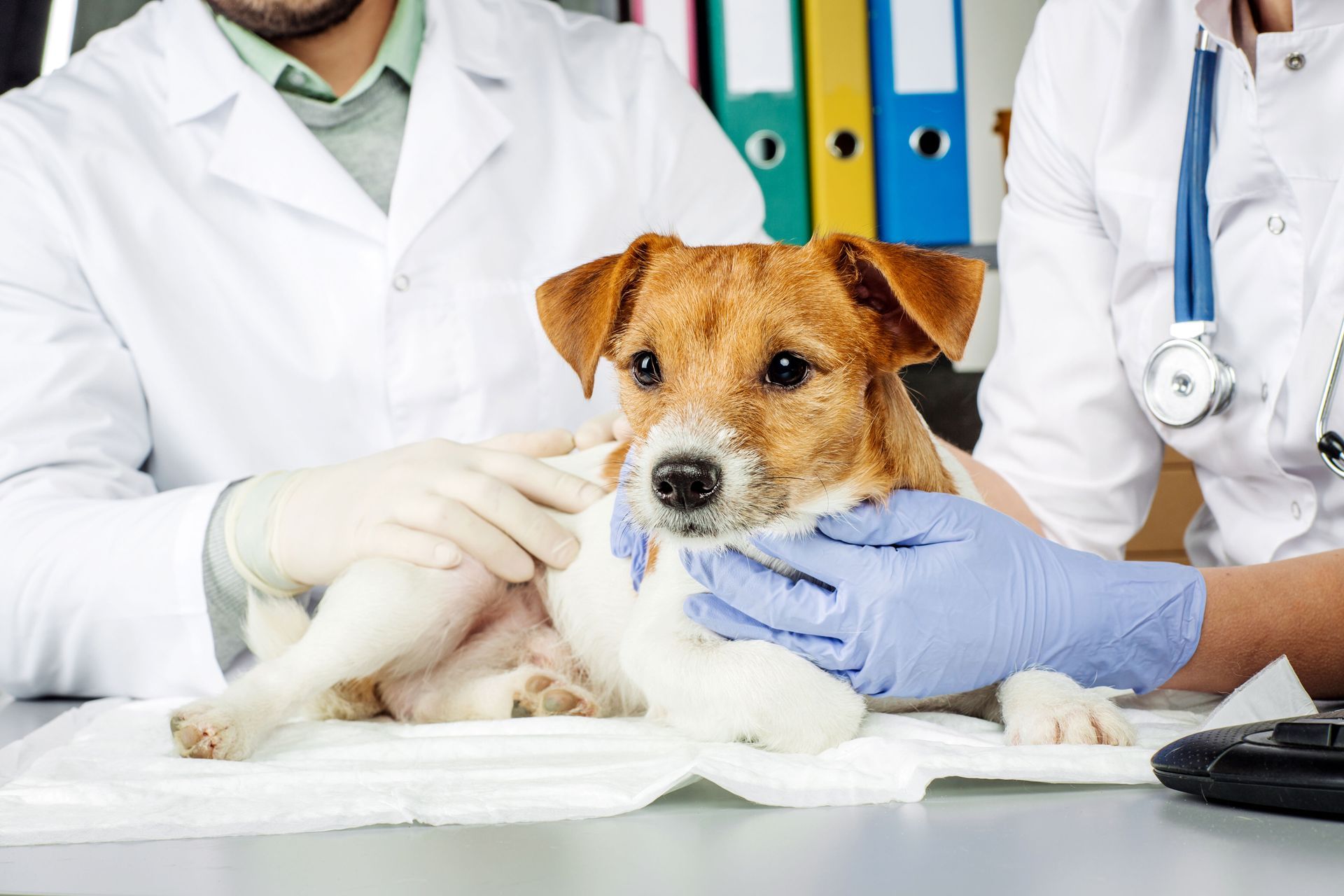
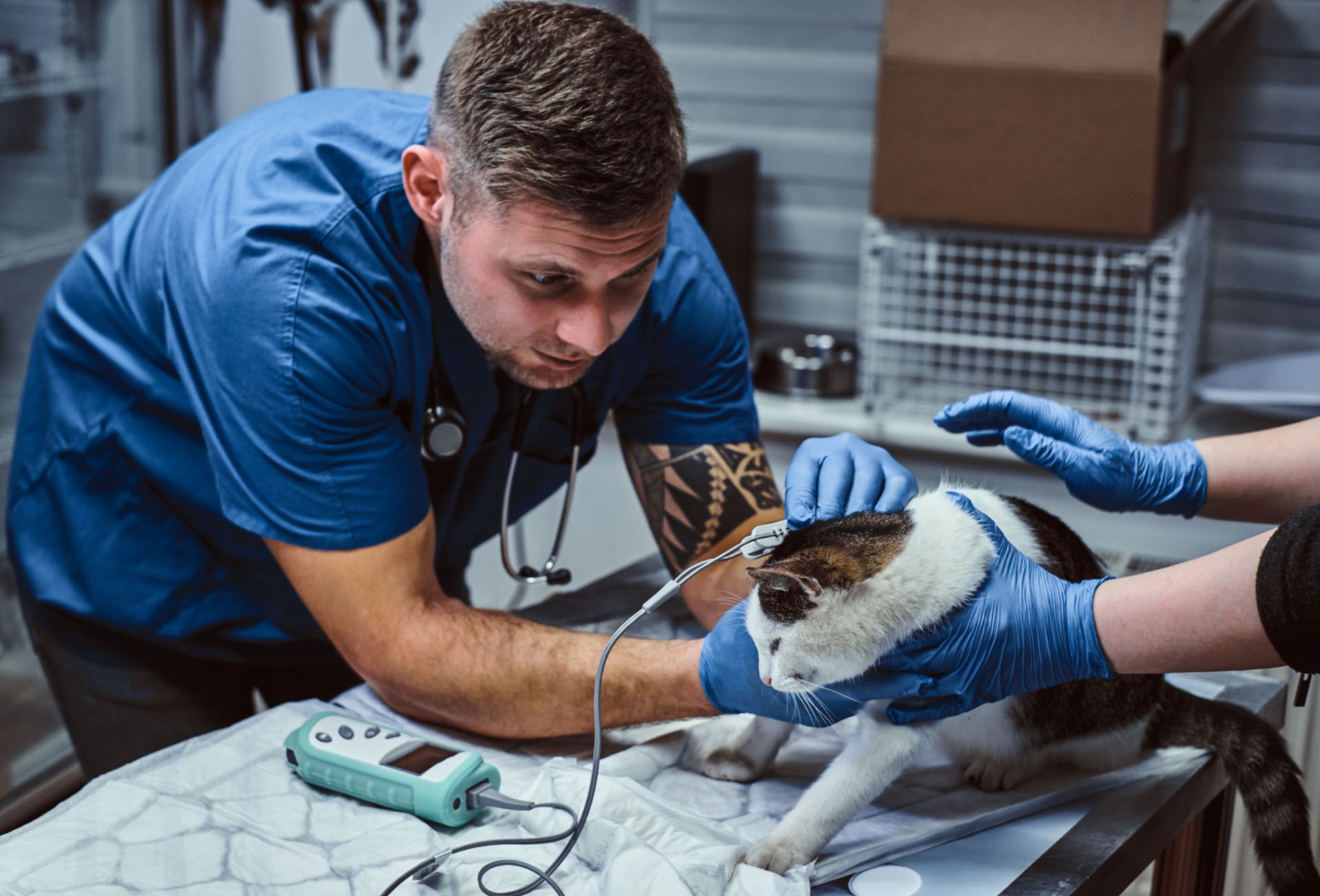
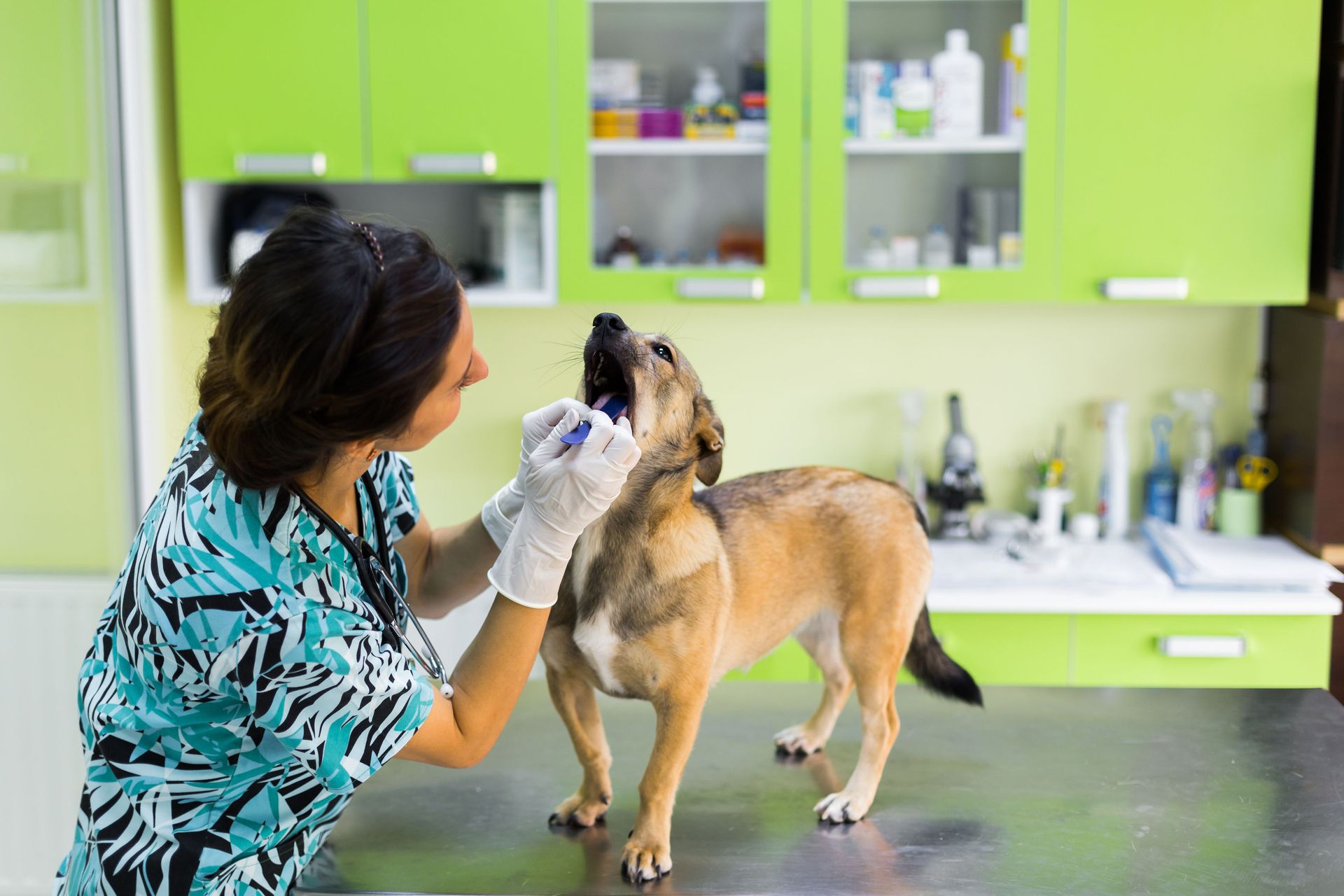
During an initial appointment, the veterinary team typically performs a full physical examination, checking your pet's eyes, ears, teeth, skin, heart, lungs, and joints. This evaluation helps establish a baseline for your pet's health, making it easier to identify changes or concerns in future visits. Visiting an animal hospital early in your pet's life supports preventive care and helps detect potential issues before they become serious problems.
Animal hospitals also play an important role in education. Veterinarians and technicians can answer questions about nutrition, exercise, parasite prevention, and behavioral concerns. Building a relationship with an animal hospital early allows you to access reliable guidance throughout your pet's life, creating a partnership focused on long-term wellness rather than reactive care.
Preparing Your Pet Before the Visit
Preparation begins at home, well before you arrive at the animal hospital. Helping your pet feel calm and secure can significantly influence how they respond to their first veterinary experience. Familiarizing them with gentle handling, such as touching paws, ears, and mouths, can make physical exams less stressful and reduce resistance during checkups. Practicing brief grooming sessions or mock examinations at home can also help your pet become more comfortable with being touched. Short car rides before the appointment may reduce anxiety if your pet is not accustomed to travel and can help them associate the car with routine outings rather than stressful events.
It is also important to gather relevant information ahead of time. Bring any medical records you have, including vaccination history, previous diagnoses, or medications your pet is currently taking. If your pet was adopted, shelter or rescue records can provide valuable insights into their health background and any past medical concerns. Writing down questions or observations about your pet's behavior, eating habits, or energy levels can also help guide the conversation with the veterinarian. Having this information ready allows the veterinary team to provide more accurate and personalized care from the start.
Your own mindset matters as well. Pets are highly sensitive to their owner's emotions, and anxiety can easily transfer during unfamiliar situations. Staying calm, speaking gently, and offering reassurance through touch or treats can help your pet feel safe in a new environment. A well-prepared visit to an animal hospital often results in a smoother experience for everyone involved, setting a positive tone for future appointments.
What Happens During the First Appointment
The first visit to an animal hospital typically involves more than a brief checkup. After checking in, you may be asked to complete paperwork detailing your pet's medical history, diet, behavior, and lifestyle. This information helps the veterinarian understand your pet's daily routine and potential risk factors.
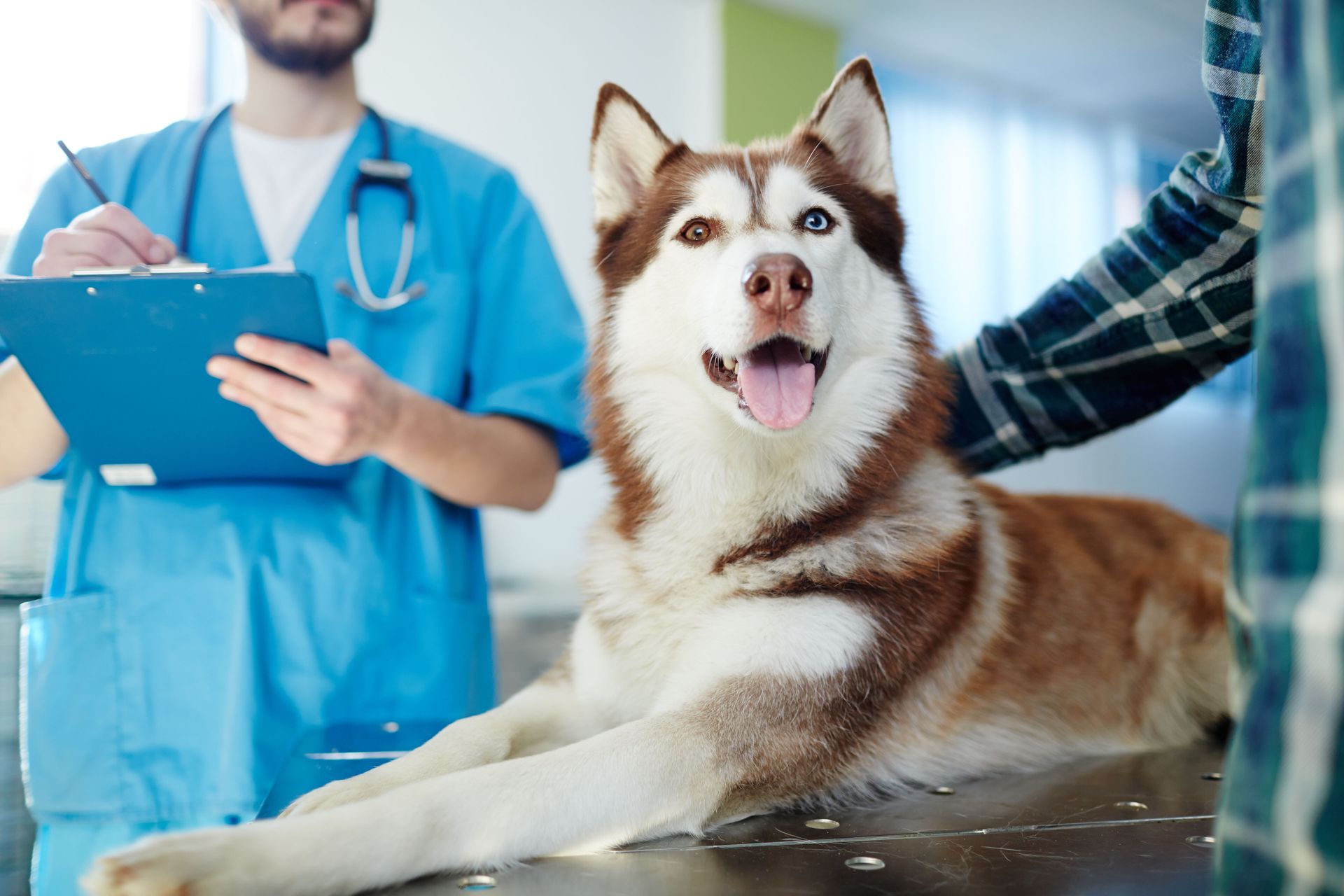
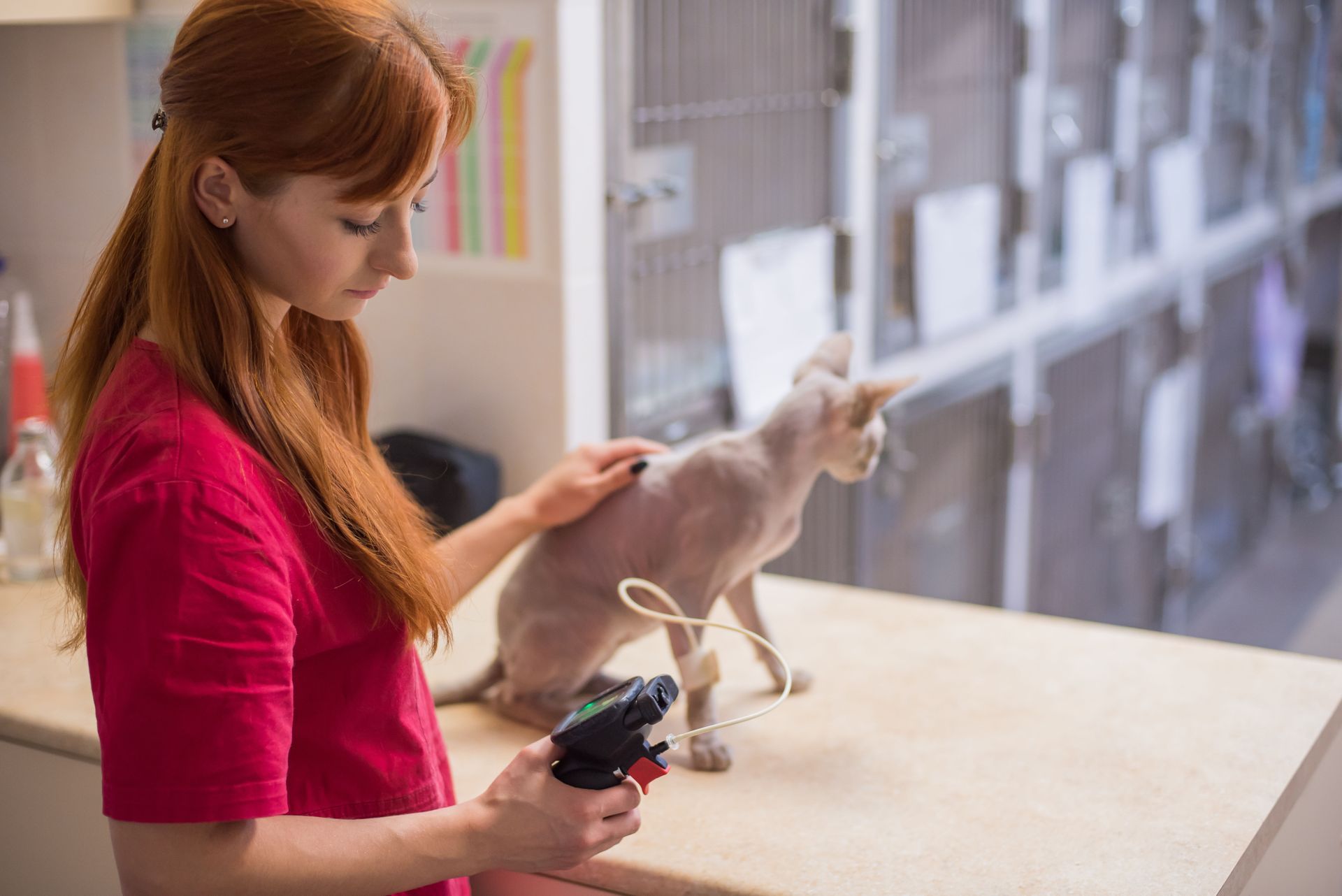
Once in the exam room, a veterinary technician often gathers preliminary information, such as weight and vital signs. The veterinarian then conducts a thorough examination and discusses any findings with you. This is an opportunity to ask questions, voice concerns, and learn about recommended preventive care schedules. Establishing open communication during this visit builds trust and encourages proactive health management.
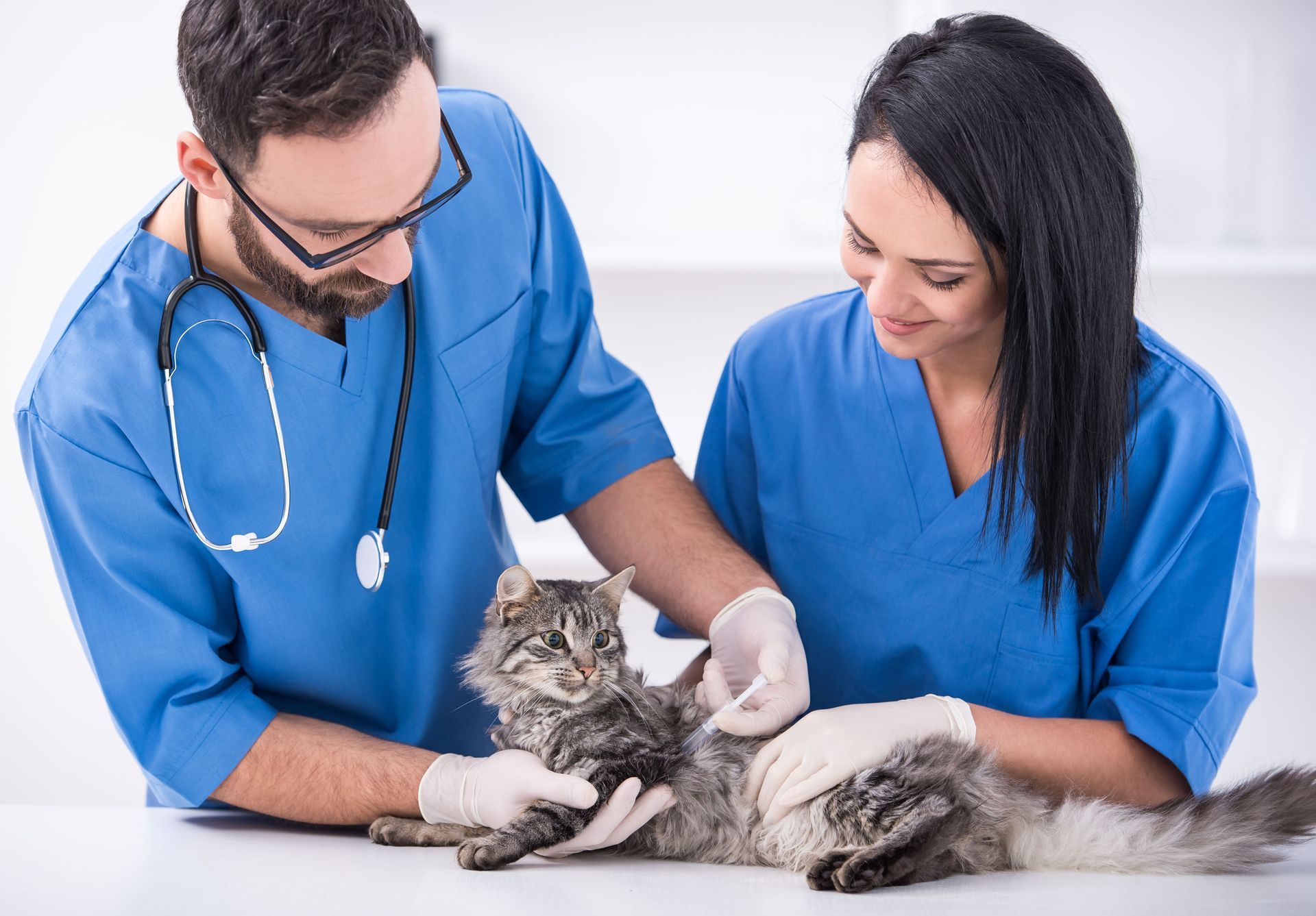
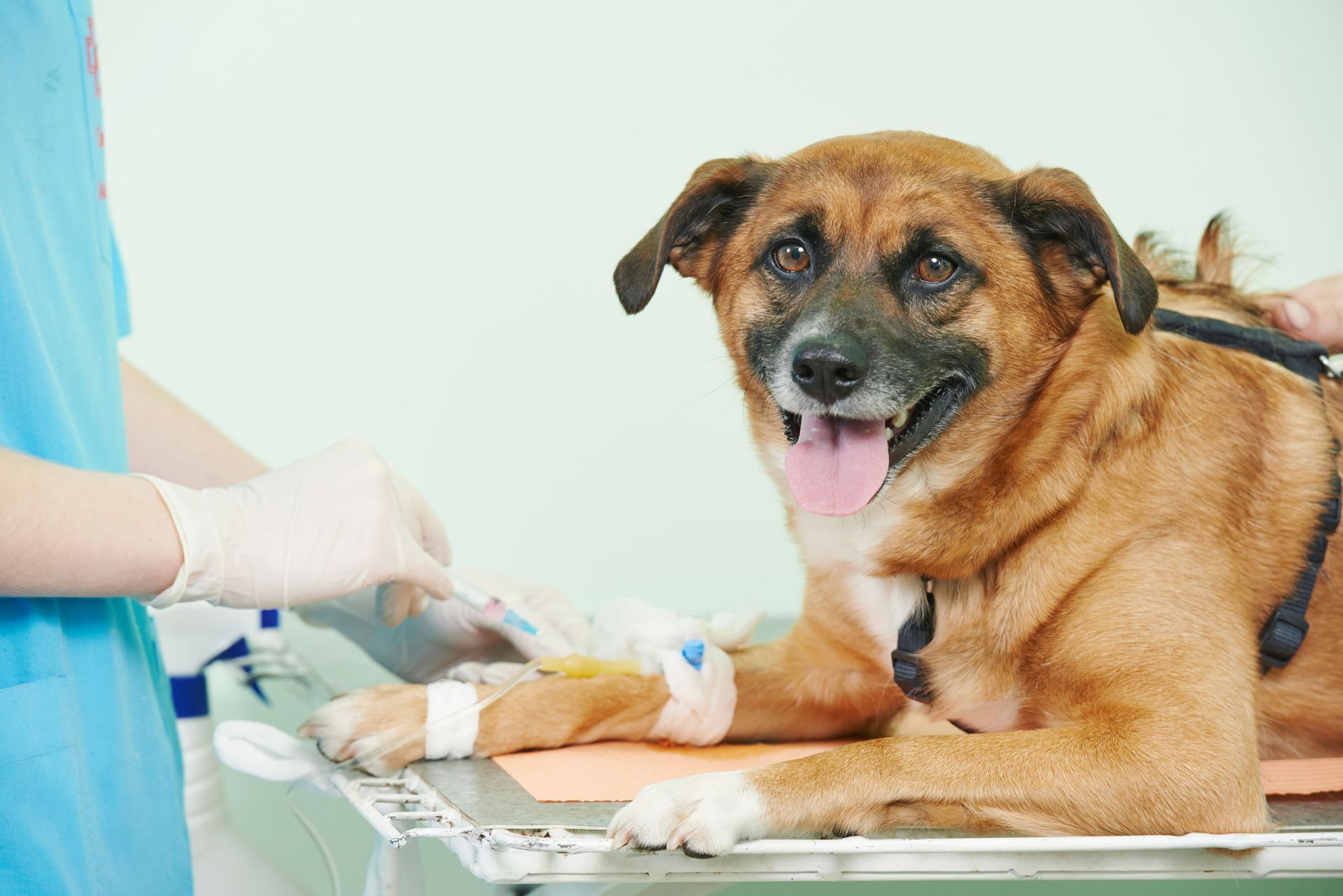
Depending on your pet's age and condition, the veterinarian may recommend vaccinations, parasite prevention, or diagnostic tests. These recommendations are typically based on factors such as lifestyle, exposure risks, and current health status. Visiting an animal hospital ensures access to comprehensive services, allowing many tests or treatments to be performed in one location if needed.
Managing Stress and Anxiety for Your Pet
Stress is a common concern during a first veterinary visit, especially for pets unfamiliar with new environments, smells, and sounds. Animal hospitals are aware of this and often use techniques designed to reduce fear, such as gentle handling, calm voices, and quiet exam rooms that limit overwhelming stimuli. Understanding how to support your pet during this process can make a noticeable difference in how they respond to care and how smoothly the appointment goes.
Bringing familiar items, such as a favorite blanket, toy, or even an article of clothing that smells like home, can provide comfort and reassurance. Scheduling appointments at quieter times of day may also help reduce stimulation in waiting areas where other animals and noises can increase anxiety. Some animal hospitals offer separate spaces for cats and dogs or allow pets to wait in exam rooms rather than shared lobbies, which can further ease nervousness and prevent unnecessary stress.
After the visit, observe your pet for signs of lingering stress, such as changes in appetite, excessive sleeping, pacing, or clingy behavior. Offering positive reinforcement through treats, praise, and gentle play can help reinforce the experience as a safe one. Maintaining a normal routine after the appointment also provides a sense of stability. Over time, repeated visits to the same animal hospital often become less stressful as your pet grows familiar with the environment, the staff, and the overall process of receiving veterinary care.
Building a Long-Term Relationship With Your Veterinary Team
Establishing care with an animal hospital is not just about addressing immediate needs. It is about creating a long-term relationship that supports your pet's health at every stage of life. Regular visits allow veterinarians to monitor changes, adjust care plans, and provide guidance tailored to your pet's evolving needs.
Consistency in care also helps prevent gaps in treatment. As noted by Dvm360.com, longer intervals between veterinary visits have become more common, which can delay the detection of health issues. Maintaining regular appointments with an animal hospital encourages preventive care and helps address concerns before they escalate.
A strong partnership with your veterinary team fosters confidence and peace of mind. Knowing where to turn for reliable advice and prompt care allows you to focus on enjoying your time with your pet. By preparing for your pet's first visit and understanding the value of ongoing care, you set the stage for a healthier, happier life together.
Your pet's first animal hospital visit is an important milestone. With preparation, clear communication, and a supportive approach, it can be a positive experience that benefits your pet for years to come.
Schedule your pet's next visit with West Toledo Animal Hospital and give them the attentive, compassionate care they deserve. Our experienced team is here to support your pet's health at every stage, from first visits to ongoing wellness care. Contact us today to book an appointment and take the next step in keeping your pet happy and healthy.






Share On: