6 Ways Your Veterinarian Can Help You Manage Your Pet's Weight
In an era where obesity is becoming a widespread concern among pets, managing your pet's weight is more crucial than ever. Not only does it affect their quality of life, but it also impacts their longevity. Your veterinarian can play a pivotal role in helping you navigate this aspect of pet care by providing expert guidance and support. This article explores various ways veterinarians assist pet owners in keeping their furry companions fit and healthy. With an estimated 50 million dogs being overweight or obese, according to the Association for Pet Obesity Prevention, understanding how veterinarians can aid in managing pet weight is vital for proactive pet health care.
1. Comprehensive Health Assessment
1.1 Initial Physical Examination
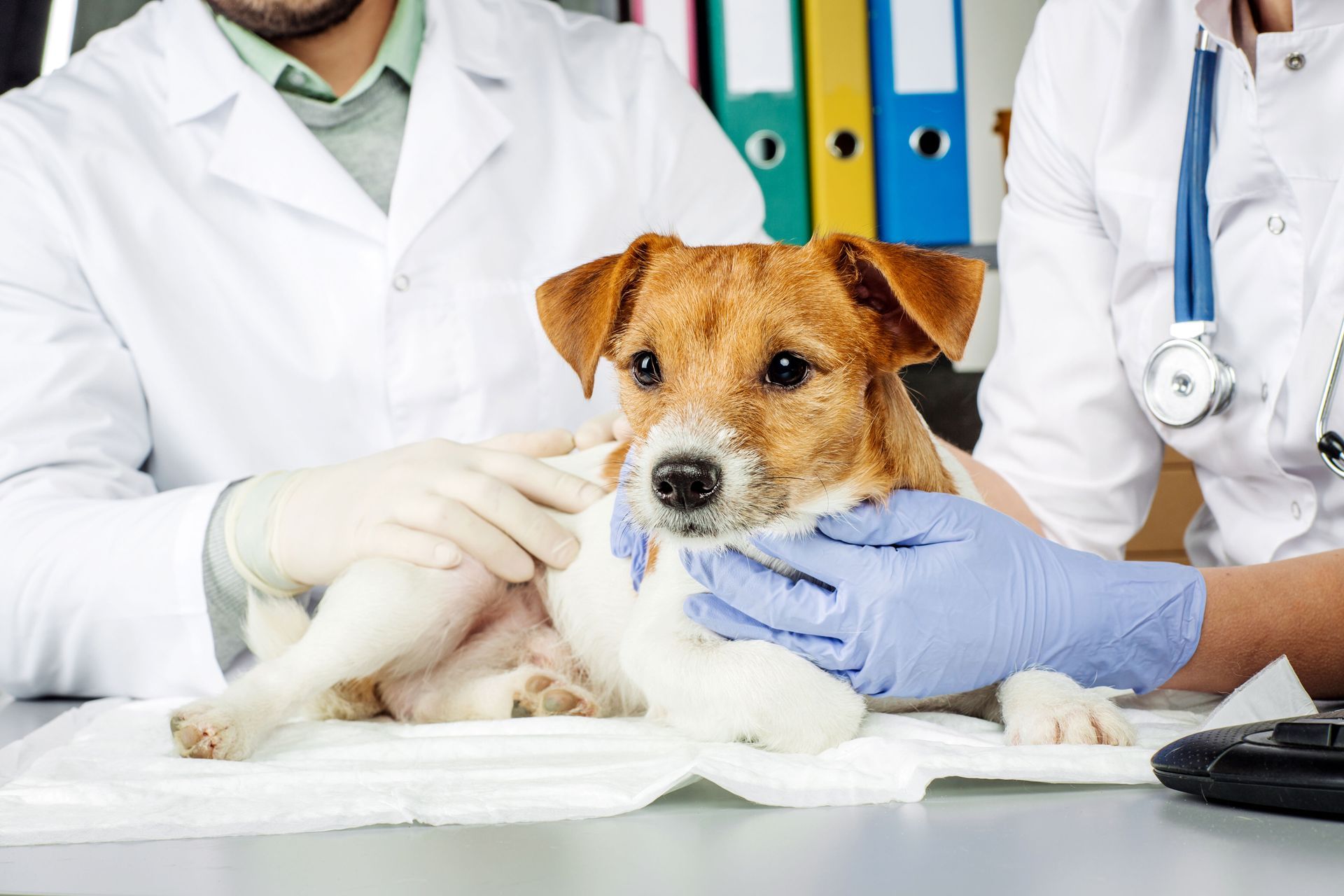
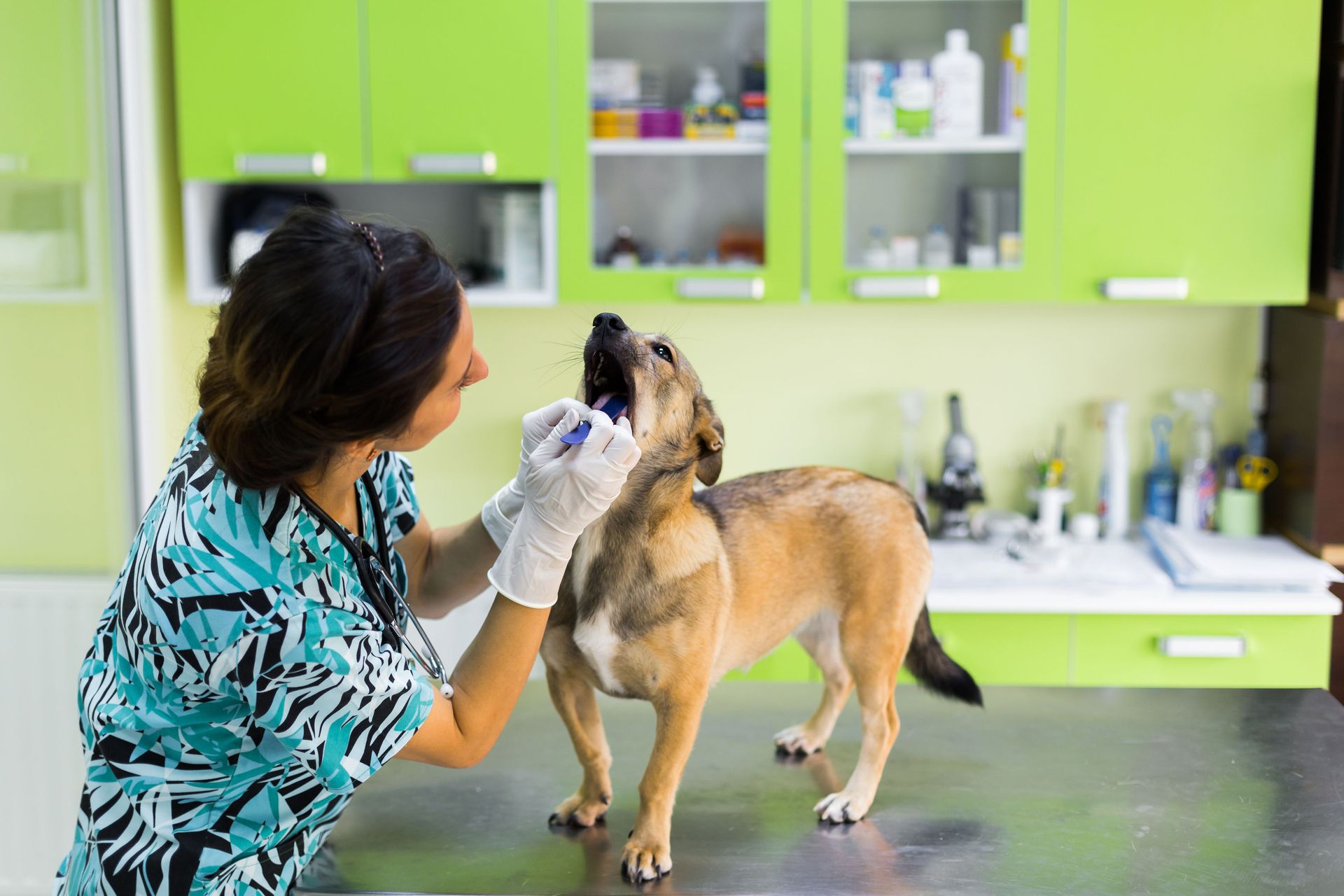
The initial physical examination conducted by veterinarians is a cornerstone of pet weight management. During this exam, veterinarians assess your pet's overall health, taking note of any physical conditions that may relate to weight issues. They check for signs of obesity-related complications such as joint problems and cardiovascular strain. This detailed assessment ensures that veterinarians have a clear understanding of your pet's health status. Such an examination lays the groundwork for developing a personalized weight management plan.
1.2 Reviewing Your Pet's Medical History
A comprehensive review of your pet's medical history is essential when managing weight. Veterinarians examine past health records to identify any historical weight fluctuations or health issues. This information allows them to identify patterns and concerns that could impact current weight management plans. Past surgeries or illnesses may also influence how a pet should lose weight safely. By considering this history, veterinarians provide advice that is both informed and tailored to your pet's specific needs.
1.3 Body Condition Scoring
Body condition scoring is a valuable tool used by veterinarians to assess a pet's weight. This system evaluates the pet's body fat relative to their size in a systematic way. Veterinarians use this assessment to determine whether a pet is at an ideal weight, underweight, or overweight. Having a framework to gauge weight issues allows for more structured and efficient weight management approaches. This scoring system equips pet owners with a tangible understanding of their pet's health status.
1.4 Discussion of Lifestyle and Activity Levels
An open discussion about a pet's lifestyle and daily activity levels is crucial for effective weight management. Veterinarians engage pet owners in conversations regarding routine activities, exercise habits, and lifestyle environments. This exchange enables them to pinpoint behavioral and environmental factors contributing to weight gain. Identifying lifestyle components affecting weight allows veterinarians to offer tailored management solutions. Such personalized advice facilitates a more proactive approach to maintaining a healthy weight.
1.5 Nutritional Analysis
Nutritional analysis plays a critical role in weight management as it determines the quality and quantity of food intake. Veterinarians interpret and evaluate a pet's diet to ensure it aligns with their health needs. They assess if the diet is contributing to unnecessary weight gain or lacking in essential nutrients. This analysis helps in recommending a balanced and healthful diet suited to weight management. Ultimately, tailored nutritional advice promotes a healthier lifestyle for pets.
2. Personalized Weight Management Plans
2.1 Setting Realistic Goals
Establishing realistic weight management goals with your veterinarian is crucial for long-term success. This involves setting achievable targets that reflect your pet's specific health needs and conditions. Veterinarians use their expertise to define viable objectives that won't compromise your pet's well-being. Collaborating on realistic goals encourages steady progress without discouraging setbacks. As goals are accomplished, pet owners are encouraged to persevere with commitment and consistency.
2.2 Creating a Customized Diet Plan
Customizing a diet plan is a vital step in managing a pet's weight effectively. Veterinarians design plans that take into consideration a pet's dietary preferences, caloric needs, and weight loss goals. By tailoring portion sizes and meal compositions, they help prevent overfeeding and nutrient deficiencies. This meticulous planning ensures that pets receive balanced nutrition conducive to weight loss. A well-structured diet plan, therefore, becomes a cornerstone of a successful weight management strategy.
2.3 Transitioning to New Diets Safely
Transitioning a pet to a new diet should be gradual to minimize gastrointestinal discomfort. Veterinarians provide structured advice on how to smoothly introduce dietary changes. This process can include mixing small amounts of the new food with the old to enhance acceptance and digestive adaptation. A gentle transition helps mitigate issues like upset stomachs or food aversions. Following veterinarian-guided transitions ensures that dietary changes support weight loss effectively without health repercussions.
2.4 Regular Monitoring and Adjustments
Regular monitoring and adjustments are integral to a successful weight management plan. Veterinarians schedule periodic check-ins to assess progress and make necessary changes to the plan. This continuous oversight allows for timely intervention if there are any setbacks or deviations from the goals. By evaluating performance metrics, such as weight changes and body condition scores, adjustments can be implemented promptly. Consistent monitoring ensures that a pet remains on the right track toward its weight goals.
2.5 Professional Advice on Treats and Supplements
Guidance on treats and supplements is an important aspect of weight management provided by veterinarians. They offer advice on appropriate treat choices and portion sizes to prevent excessive calorie intake. Additionally, veterinarians can recommend supplements that support weight loss or contribute essential nutrients. This professional insight ensures that any additions to the pet's diet align with health objectives and do not hinder weight management. Through informed treat and supplement use, owners can support their pet's nutrition and health safely.
3. Exercise Recommendations and Support
3.1 Assessing Appropriate Exercise Levels
Understanding the optimal exercise levels for your pet is essential for effective weight management. Veterinarians assess a pet's current fitness and activity levels to design an appropriate exercise routine. These recommendations are tailored to the pet's individual health status, age, and breed characteristics. Exercise plans are designed to improve cardiovascular health, muscle tone, and overall fitness. Implementing proper exercise regimens fosters healthy weight loss and boosts pet vitality.
3.2 Introducing Gradual Increases in Activity
Gradually increasing activity levels is crucial for pets not accustomed to regular exercise. Veterinarians recommend slow, incremental changes to prevent injury and build endurance. This method allows pets to acclimate to new activity routines while minimizing stress or discomfort. An incremental approach ensures sustainable progress toward weight loss and fitness. Ultimately, gradual increases reinforce positive habits that contribute to long-term health improvement.
3.3 Enrichment Activities for Stimulation
Incorporating enrichment activities into your pet's lifestyle provides both mental and physical stimulation. Veterinarians suggest using interactive toys, puzzle feeders, or play sessions to keep pets engaged. These activities help improve cognitive function while promoting physical activity. Enrichment fosters a stimulating environment that curbs boredom-induced overeating and sedentary behavior. By including enrichment activities, pet owners can encourage a more active and healthier lifestyle for their pets.
3.4 Collaboration with Pet Fitness Coaches
For pets needing additional support with exercise, veterinarians may recommend partnering with pet fitness coaches. Professional fitness coaches offer expertise in tailoring exercise routines to specific weight loss and health goals. This collaboration ensures that pets receive structured and guided workouts tailored to their needs. Access to specialized coaching can be particularly beneficial for pets with significant weight challenges or medical conditions. Coordinated efforts between veterinarians and fitness experts enhance achievable weight management outcomes.
3.5 Monitoring Activity Levels and Adjustments
Keeping track of activity levels and making necessary adjustments is vital for sustained progress. Veterinarians may use technology like activity trackers or regular follow-ups to monitor fitness levels. This data provides insights into whether exercise routines remain effective or require modifications. Adjustments based on monitored activity help maintain motivation and ensure continued improvement in fitness. Commitment to tracking and adjusting exercise levels plays a key role in successful weight management strategies.
4. Behavioral Counseling
4.1 Identifying Behavioral Triggers for Overeating
Understanding and addressing behavioral triggers that lead to overeating is key to effective weight management. Veterinarians work with pet owners to observe and identify situations or emotional states that prompt excessive eating. Recognizing these triggers facilitates the implementation of strategies to prevent them. Addressing the underlying causes of overeating is crucial for developing sustainable behavior changes. Behavioral insights empower pet owners to create environments that encourage healthy eating habits.
4.2 Reducing Stress-Induced Eating Habits
Stress-induced eating can significantly impede weight management efforts. Veterinarians provide advice on reducing stressors or anxiety-related patterns that might contribute to overeating. This may involve creating a calm and structured feeding routine or modifying the environment to reduce stress. By addressing stress-induced eating, pets are more likely to adhere to portion control and healthy eating habits. Implementing stress reduction techniques not only aids in weight loss but enhances overall pet wellness.
4.3 Discouraging Begging and Scavenging
Discouraging begging and scavenging behavior is a vital component of behavior management for weight control. Veterinarians offer training tips and techniques that reduce the likelihood of pets developing these habits. Structured feeding routines and positive reinforcement play a pivotal role in curbing undesirable behaviors. Through consistent training, pets can learn to focus more on their designated meals rather than seeking extra food. Establishing healthy boundaries around food contributes to successful weight management.
4.4 Positive Reinforcement Techniques
Positive reinforcement is a powerful tool for encouraging healthy behaviors related to diet and physical activity. Veterinarians guide pet owners in using treats, praise, or other rewards to reinforce desirable behaviors. Consistent application of positive reinforcement fosters motivation and strengthens good habits. This technique also builds a positive association between pets and weight management activities. Using rewards to shape behavior engages pets in their weight loss journey actively.
4.5 Education on Pet Mental Health
Educating pet owners on mental health considerations is essential for a holistic approach to weight management. Veterinarians share insights on how mental well-being impacts physical health and weight. Understanding this connection emphasizes the importance of addressing emotional and psychological needs alongside physical ones. By nurturing a pet's mental health, owners can better support weight management efforts and improve overall quality of life. A comprehensive approach ensures that all facets of a pet's health are taken into account.
5. Support for Medical Conditions Affecting Weight
5.1 Diagnosing Underlying Medical Issues
Veterinarians play a crucial role in identifying any medical conditions that influence a pet's weight. Thorough diagnostic evaluations help detect underlying issues like thyroid disorders or diabetes. Early diagnosis of such conditions is vital for tailoring an appropriate weight management plan. By addressing medical factors, veterinarians not only aid weight management but improve overall health outcomes. Timely medical intervention ensures that weight goals are achieved safely and effectively.
5.2 Medication Management
Medication management is sometimes necessary when medical conditions affect a pet's weight. Veterinarians prescribe medications that target specific health issues contributing to weight gain or loss. Regular monitoring and follow-up assessments are essential components in managing the effectiveness of these medications. Veterinary expertise ensures that medications are part of a comprehensive treatment plan that supports weight goals. With proper medication management, underlying conditions are controlled, enabling healthier weight outcomes.
5.3 Integrated Approaches to Weight and Health
Integrated care approaches help align weight management with overall health objectives. Veterinarians design treatment plans that incorporate weight management strategies alongside other medical interventions. This collaborative approach ensures that all aspects of a pet's health are considered and addressed. Integrating health initiatives with weight goals leads to more effective and sustainable outcomes. Comprehensive care plans reflect the interconnected nature of health and weight, enhancing both concurrently.
5.4 Specialized Diets for Medical Conditions
For pets with specific medical needs, veterinarians may recommend specialized prescription diets. These diets are formulated to support weight management while addressing particular health concerns. Veterinarians tailor dietary plans to ensure that nutritional and caloric requirements align with medical objectives. Specialized diets offer a targeted approach for managing both weight and health conditions. Through nutrition therapy, pets benefit from diet plans that support their unique health needs and weight goals simultaneously.
5.5 Ongoing Health Monitoring
Consistent health monitoring is key to successfully intervening and managing medical conditions affecting weight. Veterinarians perform routine check-ups to assess vital health parameters and adjust care plans as needed. This vigilance ensures early detection of any changes that could impact weight or overall health. Regular assessments foster a proactive approach to adapting treatment strategies dynamically. Through diligent monitoring, health and weight management strategies remain aligned and effective.
6. Access to Weight Management Resources
6.1 Educational Materials and Workshops
Veterinarians often provide educational resources and workshops to inform pet owners about effective weight management techniques. These materials cover topics such as diet, exercise, and behavioral management in detail. Access to educational workshops empowers owners with the knowledge they need to successfully manage their pet's weight. Hands-on workshops offer opportunities to practice new skills and receive direct feedback from professionals. Through education, pet owners are better equipped to make informed decisions that benefit their pet's health.
6.2 Collaboration with Pet Nutritionists and Specialists
In cases where additional expertise is beneficial, veterinarians may collaborate with pet nutritionists and specialists. This partnership provides comprehensive support and insights into complex weight management challenges. Specialists possess advanced knowledge to address particular dietary needs or intricate medical conditions. Collaboration ensures that pet owners receive multifaceted care tailored to their situation. Integrated support from various specialists leads to more successful and sustainable weight management outcomes.
6.3 Access to Weight Management Tools
Having the right tools is crucial for tracking and managing a pet's weight effectively. Veterinarians provide resources like measuring cups, food scales, and food diaries to assist pet owners. These tools aid in maintaining accurate records of dietary intake and progress monitoring. Owning effective management tools enables greater consistency and precision in adhering to weight management plans. With proper tools, pet owners can actively engage in successful weight management practices at home.
6.4 Support Communities for Pet Owners
Connection to support communities offers pet owners a platform to share tips and encouragement. These communities foster a sense of camaraderie and shared experience among individuals facing similar challenges. Veterinarians may guide pet owners to such groups where they can access peer support and advice. Participation in support communities helps maintain motivation and provides emotional reinforcement throughout the weight management journey. Sharing experiences and success stories can be an invaluable source of inspiration for pet owners.
6.5 Telemedicine and Remote Consultations
Telemedicine and remote consultations have become significant assets to pet weight management. With the evolution of telehealth services, veterinarians can provide continuous support even from afar. These consultations offer flexibility and accessibility for ongoing guidance and troubleshooting. Pet owners benefit from quick consultations to address concerns without the need for frequent in-person visits. Telemedicine enhances the veterinary-client relationship, ensuring that weight management support remains timely and effective.
Managing your pet's weight is a multifaceted challenge that benefits greatly from professional input. Veterinarians are essential partners in this journey, offering assessments, personalized plans, and ongoing support to ensure your pet stays healthy, active, and happy. By understanding and leveraging the various ways they can assist, you can make informed decisions that contribute to your pet's well-being for years to come. Proactive management, supported by veterinarian expertise, holds the key to a healthier future for our furry companions. The role of veterinarians in guiding weight management embodies the commitment to enhancing the quality and longevity of pet lives. If you're looking for a veterinarian to help with pet weight management, contact West Toledo Animal Hospital today.






Share On: