7 Conditions Commonly Treated by an Animal Physical Therapist
A pet’s health and happiness mean everything to their owners. When an animal experiences pain, an injury, or a chronic health condition, finding the right care becomes a top priority. Just like humans benefit from targeted rehabilitation, animals also thrive with specialized physical therapy. Many families are discovering the incredible ways animal physical therapists can transform their pets' lives, restoring mobility and comfort when it seems out of reach. While many people associate veterinary care solely with medicine or surgery, rehabilitation is a growing and vital field. According to Sci-Tech-Today, roughly 57% of pet owners say their pets help lower stress. Returning that favor by ensuring they live a pain-free life is a wonderful way to give back to these devoted companions. Understanding how rehabilitation works can help you make informed decisions for your furry family member.
Animal physical therapists are professionals dedicated to improving the physical function and quality of life for pets. They work alongside veterinarians to create customized recovery plans tailored to each animal's specific needs. Whether a pet is recovering from a major surgical procedure, managing a lifelong condition, or dealing with the natural effects of aging, these specialists utilize a variety of non-invasive techniques to promote healing. From therapeutic exercises and stretches to advanced modalities like hydrotherapy, laser therapy, and ultrasound, the goal is always to reduce discomfort and enhance movement. By focusing on targeted muscle groups and joint health, animal physical therapists help pets regain their independence, allowing them to return to their favorite activities and enjoy a higher quality of life.
1. Treating Orthopedic Injuries and Post-Surgical Recovery
One of the most frequent reasons pets visit animal physical therapists is to recover from orthopedic injuries or surgeries. Animals can experience ligament tears, bone fractures, and joint dislocations just like humans do. A common example is a cranial cruciate ligament tear, which often requires surgical intervention. After such an operation, the recovery process is crucial for long-term success. Animal physical therapists design structured rehabilitation programs that safely rebuild muscle strength, improve joint flexibility, and prevent scar tissue from restricting movement. Through controlled exercises and gentle range-of-motion stretching, these specialists ensure that the healing process moves forward smoothly, minimizes the risk of re-injury, and helps the pet walk comfortably once again.
2. Managing Chronic Osteoarthritis and Joint Degeneration
As pets grow older, wear and tear on their joints can lead to osteoarthritis, a degenerative condition that causes chronic pain and stiffness. This can make simple tasks, like climbing stairs or getting into the car, incredibly difficult and painful. Animal physical therapists play a major role in managing this condition by utilizing low-impact therapies that protect the joints while strengthening the surrounding muscles. Hydrotherapy, such as using an underwater treadmill, is particularly effective because the buoyancy of the water reduces weight-bearing stress on painful joints while providing excellent cardiovascular exercise. This specialized care helps keep senior pets moving, manages their discomfort, and slows down the progression of joint degeneration over time.
3. Rehabilitating Neurological Conditions and Spinal Disorders
Neurological disorders can severely impact an animal's coordination, balance, and ability to walk. Conditions such as intervertebral disc disease, spinal cord injuries, or degenerative myelopathy can leave a pet partially or fully paralyzed. Animal physical therapists are trained to work with these complex cases, using neuro-rehabilitation techniques to stimulate nerve pathways and re-teach the body how to move. Through balance training, assisted standing exercises, and sensory stimulation, these professionals help pets regain proprioception, which is the awareness of where their limbs are in space. Even in cases where full mobility cannot be completely restored, rehabilitation provides these animals with greater core strength and coordination, significantly enhancing their daily independence.
4. Supporting Weight Management and Cardiovascular Conditioning
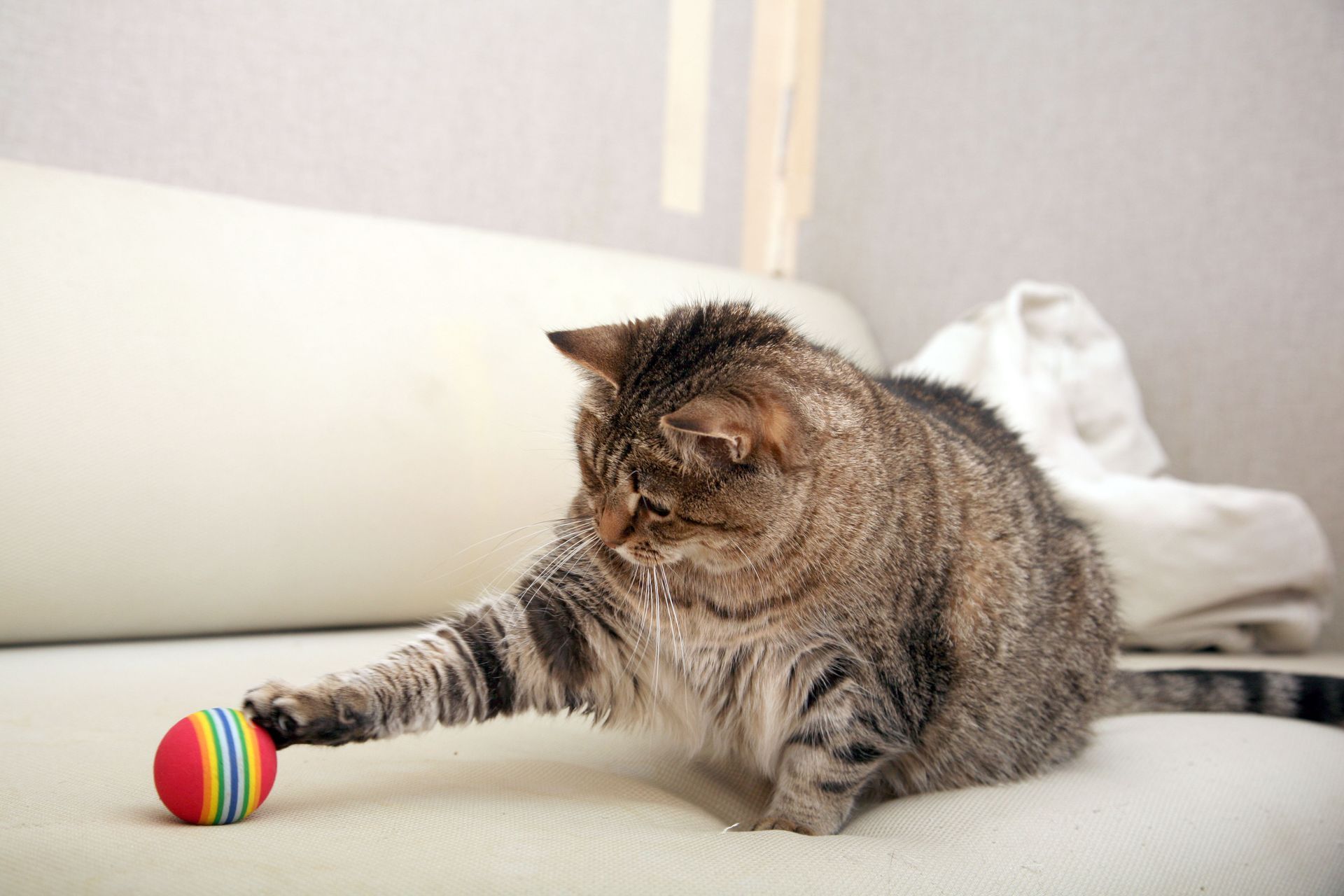
Obesity is a widespread health concern for pets, and it can drastically exacerbate other medical issues like joint pain, diabetes, and heart disease. When an animal is carrying significant excess weight, traditional exercise like running can put too much stress on their body. Animal physical therapists design safe, controlled weight-loss and conditioning programs that help pets burn calories without injuring themselves. By utilizing specialized equipment and low-impact exercises, therapists can help animals shed extra pounds safely. This targeted approach not only improves cardiovascular health and builds lean muscle mass but also alleviates the immense pressure that excess weight places on an animal's aching joints, leading to a much more active lifestyle.
5. Alleviating Soft Tissue Injuries and Muscle Strains
Active pets, working dogs, and canine athletes are all susceptible to soft tissue injuries, including muscle strains, tendonitis, and ligament sprains. These injuries can be subtle, sometimes causing intermittent limping or a sudden reluctance to jump or play. Animal physical therapists excel at identifying these specific areas of tension and inflammation. They utilize targeted modalities such as therapeutic ultrasound, laser therapy, and specialized massage techniques to increase blood flow to the damaged tissues, accelerate the natural healing process, and relieve localized pain. By addressing these soft tissue issues early on, therapists prevent chronic compensation patterns, ensuring the animal heals evenly and maintains proper body alignment.
6. Assisting Congenital Conditions and Developmental Disorders
Some animals are born with developmental abnormalities or congenital conditions that affect how their musculoskeletal system grows. Conditions like hip dysplasia, elbow dysplasia, or luxating patellas can cause discomfort and abnormal movement patterns from a very young age. Animal physical therapists work with young, growing pets to manage these challenges early in life. By focusing on targeted strengthening of the muscles surrounding the unstable joints, rehabilitation can help stabilize the areas and reduce the severity of symptoms. Early intervention from animal physical therapists can often delay the need for surgical procedures, reduce long-term pain, and help young pets develop healthier, more functional movement patterns as they grow into adulthood.
7. Optimizing Geriatric Care and Senior Pet Mobility
As pets enter their golden years, keeping them comfortable and mobile is essential for their emotional well-being. General weakness, muscle wasting, and loss of balance are common signs of aging that can cause an animal to withdraw from family life. Animal physical therapists focus heavily on senior care, designing gentle routines that preserve muscle mass and keep joints lubricated without overexerting the animal. Regular rehabilitation sessions help senior pets maintain their independence, making it easier for them to navigate slick floors or stand up after a long rest. This specialized, ongoing attention ensures that aging pets remain active participants in their households, enjoying their senior years with dignity and comfort.
Investing in rehabilitative care is an exceptional way to support a companion through some of life's toughest physical challenges. Witnessing a pet regain the ability to wag their tail, run across the yard, or comfortably cuddle on the couch is incredibly rewarding. Every animal deserves the chance to move without pain, and specialized physical therapy offers a path to achieving exactly that. If a beloved animal companion is struggling with mobility, recovering from an injury, or dealing with a chronic condition, professional guidance can make all the difference in the world. We are dedicated to providing compassionate, comprehensive medical care to help your pets live their absolute best lives. Call West Toledo Animal Hospital today to learn more about how we can support your pet's health, mobility, and overall well-being.




Share On: