Why Your Puppy Needs a Great Veterinary Hospital
Introducing a new puppy into your family is an exciting time, but it also comes with significant responsibilities. One of the key aspects of ensuring a healthy and happy life for your new furry friend is having access to a reliable and competent veterinary hospital. Here, we will explore the reasons why a great veterinary hospital is crucial for your puppy's well-being.
Importance of Regular Health Check-Ups
Providing Preventive Care
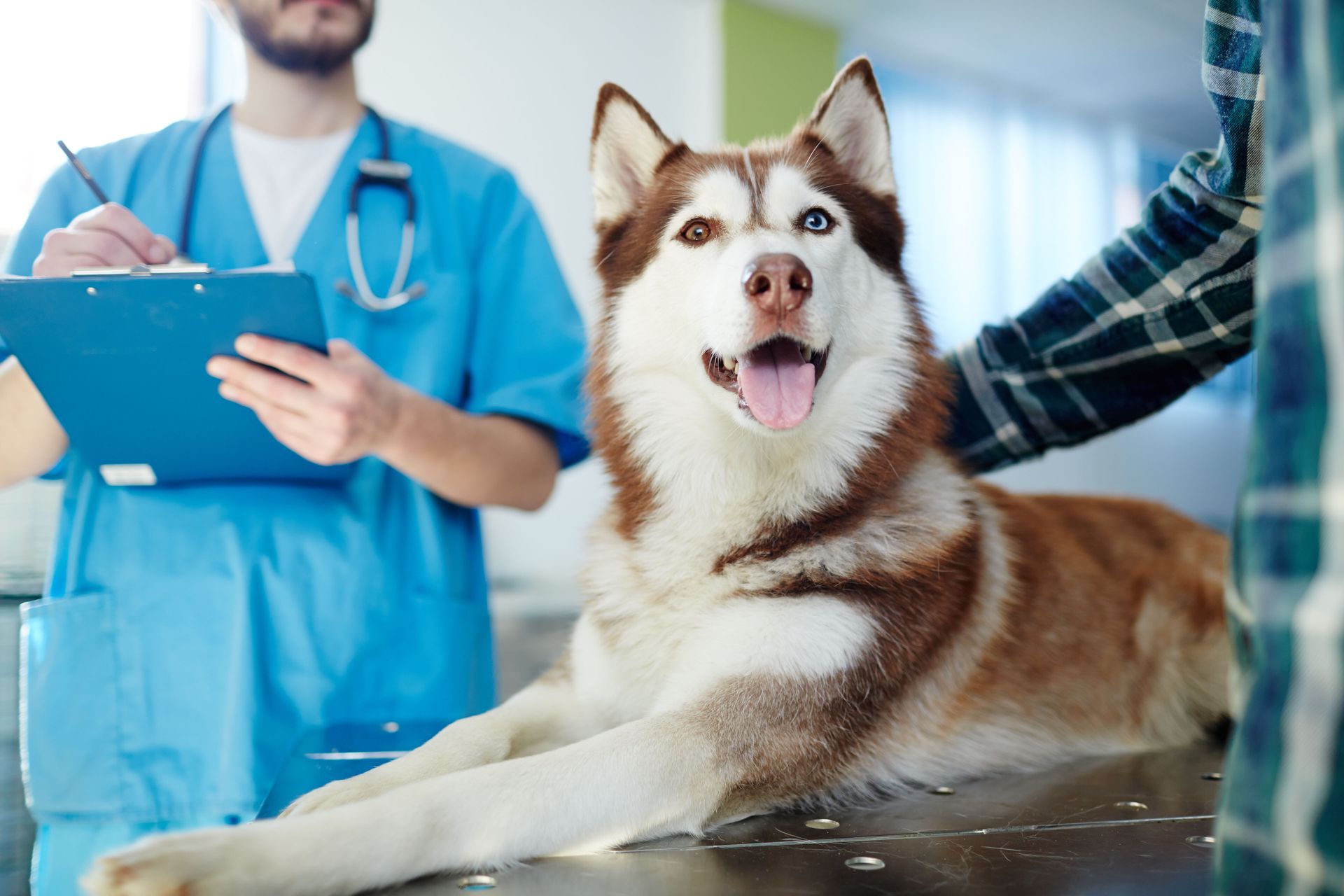
Preventive care is a cornerstone of maintaining your puppy's health, and a great veterinary hospital excels in providing this essential service. Regular visits to the vet allow for routine examinations that can catch potential health issues before they become serious. For instance, common puppy ailments such as ear infections or intestinal parasites can be detected early through preventive screenings. Additionally, preventive care includes guidance on common issues like heartworm prevention; according to the AVMA, heartworms are 100% preventable in pets using the FDA-approved methods recommended by your veterinarian. These preventive measures not only safeguard your puppy's current well-being but also support their long-term health.
Identifying Health Issues Early
Early identification of health issues is crucial in managing and treating conditions effectively. Regular veterinary check-ups facilitate the timely detection of problems like congenital disorders, which are best managed when caught early. A skilled veterinarian will conduct thorough examinations that assess your puppy’s physical and developmental health. Identifying health issues at the onset can make treatment simpler and less costly while significantly increasing the likelihood of a full recovery. Preventive care reinforced by early diagnosis is pivotal in maintaining your puppy's robust health.
Building a Health Profile
Keeping consistent health records for your puppy is integral to understanding their unique needs and health patterns. Over time, your veterinary hospital creates a comprehensive health profile of your pet, documenting vaccinations, growth benchmarks, and past illnesses. This profile assists in customizing care plans and predicting potential health concerns based on past data. It also provides a foundational reference if your puppy requires specialized care or treatment from other experts. The collaborative approach in building a health profile helps ensure an individualized approach to your puppy's healthcare needs.
Nutrition and Dietary Guidance
Knowing The Importance of a Balanced Diet
Your puppy’s diet is fundamental to their development, and a great veterinary hospital provides valuable dietary guidance. Puppies have specific nutritional requirements that must be met to support their rapid growth and development. Proper nutrition helps strengthen their immune system, maintain a healthy coat, and support muscle and bone growth. Veterinarians can recommend high-quality food options that are balanced with the vital nutrients puppies need. By ensuring a nutrient-rich diet, you lay a strong nutritional foundation for your puppy’s future health.
Customizing Diets for Puppies
Not all puppies have the same dietary needs, and customizing their diet is essential for optimal health. Factors such as breed, size, and activity level play a significant role in determining the best diet plan. Veterinary professionals take a personalized approach by assessing each puppy's specific requirements to tailor a diet that supports their individual growth patterns. This customization often includes selecting formulas that provide the right caloric intake as well as essential vitamins and minerals. A tailored diet ensures your puppy receives the precise nutrition critical for healthy development.
Recognizing Food Allergies
Identifying and addressing food allergies in puppies is crucial to preventing discomfort and ensuring proper nutrition. Symptoms like itching, digestive issues, or chronic ear infections may indicate an allergic reaction to certain foods. Great veterinary hospitals are adept at diagnosing these allergies through elimination diets and other testing. Once identified, veterinarians can work with you to adjust your puppy's diet to eliminate allergens and introduce safer alternatives. Managing food allergies effectively contributes to your puppy's overall well-being and comfort.
Access to Advanced Medical Equipment
Advanced Diagnostic Imaging
Technological advancements in diagnostic imaging have revolutionized the way veterinary care is delivered. High-quality veterinary hospitals have access to state-of-the-art equipment like digital X-rays, ultrasounds, and MRIs, which provide detailed insights into your puppy’s health. These tools are invaluable for accurately diagnosing conditions that are not immediately visible through a physical examination. Diagnostic imaging helps veterinarians make informed decisions about treatment plans, ensuring the best possible care for your puppy. With advanced imaging, complex health issues can be detected and addressed promptly.
Specialized Treatment Equipment
Veterinary hospitals equipped with specialized treatment equipment are better positioned to handle diverse health challenges. For example, facilities that offer laser therapy or dental care services provide additional treatment options tailored to specific conditions. Such equipment ensures a comprehensive approach to health management, allowing for both preventive and reactive treatments. Access to specialized tools expands the scope of veterinary care your puppy can receive without the need to be referred to external practitioners. This continuity of care is beneficial for effective treatment and recovery.
Expertise of Veterinary Professionals
Veterinarians With Experience
The expertise of experienced veterinarians is a critical asset in managing your puppy’s health and well-being. These professionals bring a wealth of knowledge and hands-on experience to their practice, drawing from years of training and real-world experience. A skilled veterinarian can adeptly assess symptoms, diagnose conditions, and recommend the appropriate course of treatment. Their experience also translates to better outcomes in emergencies where quick and decisive action is needed. Ultimately, their expertise provides reassurance that your puppy is receiving the best possible care.
Veterinary Nurses and Technicians
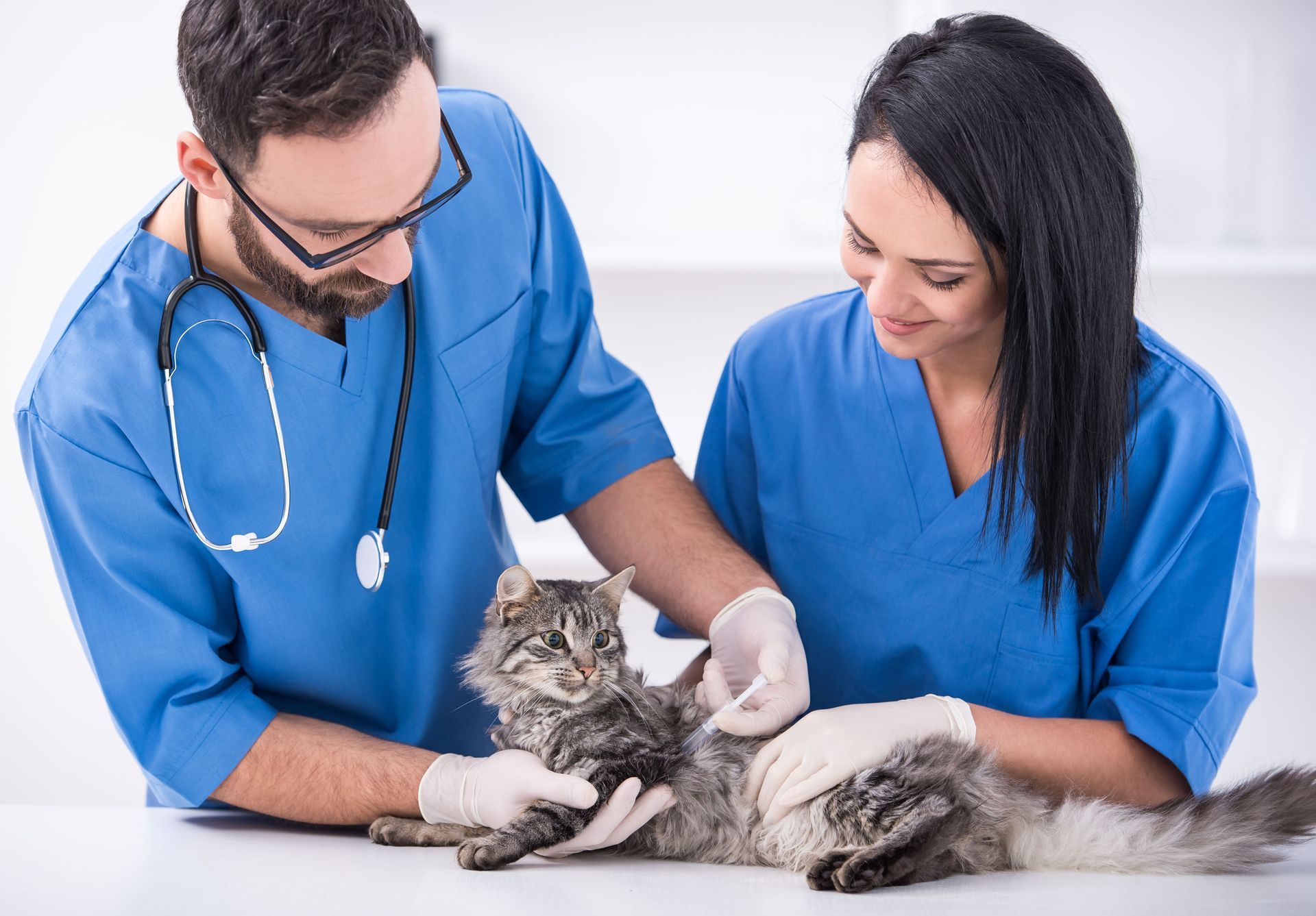
Veterinary nurses and technicians play an essential role in delivering comprehensive healthcare to your puppy. Their responsibilities include assisting during examinations, administering medications, and providing postoperative care, ensuring all aspects of your puppy's care are managed efficiently. Well-trained support staff is vital in maintaining high standards of care within the hospital setting. They complement the work of veterinarians and ensure your puppy gets attentive, compassionate, and effective healthcare. Their dedication and expertise contribute to a nurturing environment for your pet.
Behavior Specialists for Puppies
Behavior specialists are invaluable resources in supporting the emotional and social development of your puppy. Puppies display a range of behaviors as they grow, and understanding these can aid in fostering a well-adjusted pet. Behavior specialists within veterinary hospitals provide insights into behavioral issues, advise on training techniques, and help curb unwanted behaviors. Their expertise in reading canine communication helps in creating a balanced environment where your puppy feels secure and understood. This service is particularly beneficial in addressing issues related to anxiety, aggression, or socialization.
Comprehensive Health Records Management
Maintaining Detailed Health Records
Maintaining detailed health records is an integral aspect of managing your puppy's healthcare journey. A great veterinary hospital meticulously documents all health-related information, including medical history, vaccination logs, and treatment plans. Detailed records facilitate informed decision-making in future health interventions and streamline the continuity of care. They also help track progress and adapt care plans as needed, ensuring that your puppy receives tailored healthcare suited to their evolving needs. Comprehensive records management is foundational to delivering high-quality, personalized veterinary care.
Keeping Important Immune Records
Immune records are a critical component of your puppy's health documentation. Vaccination documentation is particularly important as it provides protection against preventable diseases and ensures compliance with legal and social requirements for your pet. Regular vaccinations are particularly crucial during the early stages of your puppy’s life. These records provide a clear outline of when your puppy is due for their next set of vaccines, ensuring they remain adequately protected. Accurate and up-to-date immune records are essential for disease prevention and overall health assurance.
Choosing the right veterinary hospital for your puppy is a crucial decision that will impact your pet's health and happiness throughout their life. With comprehensive healthcare services and a team of dedicated professionals, your puppy is well-equipped to thrive in their new environment. Trust in a reputable veterinary hospital ensures your pet enjoys a healthy, happy life as a cherished member of your family. To establish a relationship with your local veterinarians and keep your pups in good health, reach out to West Toledo Animal Hospital today.







Share On: