Questions to Ask During Animal Hospital Appointments
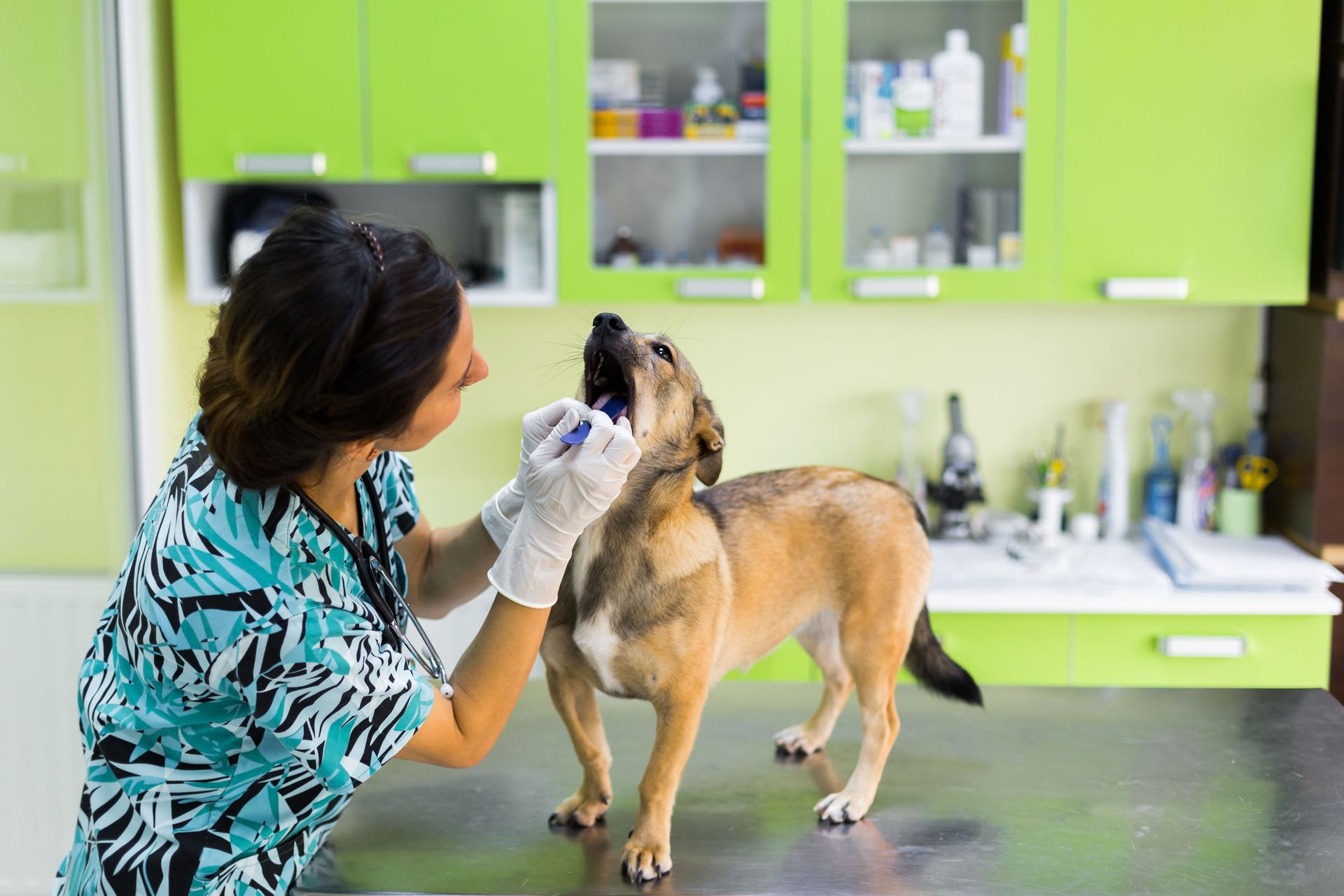
Taking your pet to the veterinarian is an important part of maintaining their health and overall well-being. Whether you are scheduling a routine wellness examination, addressing a concerning symptom, or discussing changes in your pet's behavior, preparing questions beforehand can help you make the most of the visit. Veterinary professionals evaluate many aspects of an animal's health, including physical condition, nutrition, preventive care, and potential medical concerns. However, appointments also provide an opportunity for pet owners to better understand their responsibilities and make informed decisions about ongoing care. Asking thoughtful questions during animal hospital appointments can help clarify treatment recommendations, identify potential problems, and establish realistic expectations for maintaining your pet's health.
1. Asking About Your Pet's Overall Health
One of the most important questions to ask during a veterinary visit concerns your pet's general health. Even when animals appear healthy, routine examinations may reveal subtle changes that are difficult to recognize at home. Veterinarians evaluate body condition, weight, heart and lung function, skin, coat, eyes, ears, and other physical characteristics. Asking whether anything has changed since the previous examination can help you understand your pet's current condition and identify areas requiring additional attention.
Pet owners should also ask whether their animal's weight and activity level are appropriate for their age and breed. Changes in appetite, energy, drinking habits, or bathroom routines may provide useful information about underlying concerns. Discussing these observations during animal hospital appointments allows veterinarians to determine whether additional testing or monitoring is appropriate. Understanding what constitutes normal behavior for your pet can also make future changes easier to recognize.
2. Discussing Recommended Vaccinations and Preventive Care
Vaccinations help protect pets against certain infectious diseases, but recommended schedules vary depending on the animal's age, medical history, lifestyle, and exposure risks. Pet owners should ask which vaccinations are currently recommended and when additional doses may be necessary. Veterinarians can explain the differences between core vaccines and those recommended for particular circumstances. Understanding these recommendations helps owners make informed decisions while maintaining appropriate preventive care.
Preventive care also includes protection against fleas, ticks, heartworms, and intestinal parasites. The most appropriate products and schedules depend on factors such as geographic location, travel, and individual health considerations. During animal hospital appointments, owners can ask which preventive treatments are suitable and whether screening tests are recommended. Discussing these measures provides an opportunity to address potential health threats before they develop into more serious problems.
3. Reviewing Your Pet's Diet and Nutritional Needs
Proper nutrition supports healthy growth, energy levels, digestion, and weight management. However, selecting an appropriate diet can be challenging because nutritional needs change throughout an animal's life. Puppies and kittens generally have different requirements than adult or senior pets. Medical conditions, activity levels, and individual sensitivities may also influence dietary recommendations. Asking whether your pet's current food provides suitable nutrition can help identify opportunities for improvement.
Veterinarians can discuss portion sizes, feeding schedules, treats, and weight management strategies based on your pet's specific circumstances. Owners should mention supplements, table scraps, and any recent dietary changes. Questions about food allergies, digestive discomfort, or unexplained weight changes may lead to additional evaluation. Rather than making significant dietary adjustments independently, consulting a veterinarian helps ensure that nutritional decisions support your pet's overall health.
4. Identifying Concerning Behavioral Changes
Behavioral changes can sometimes indicate stress, discomfort, environmental problems, or underlying medical conditions. Excessive barking, inappropriate elimination, aggression, hiding, and unusual restlessness may deserve professional attention. Pet owners should ask whether concerning behaviors could be related to physical health or whether behavioral management strategies might help. Providing details about when the behavior began, how frequently it occurs, and what appears to trigger it can assist the veterinarian's evaluation.
According to the ASPCA's National Rehoming Survey, 47% of dogs and 42% of cats were rehomed due to pet-related issues. These problems included difficult or aggressive behaviors, unexpected growth, and health concerns owners could not manage. Discussing challenges during animal hospital appointments can help owners explore appropriate medical evaluations, training resources, and management strategies. Early conversations may provide useful guidance before behavioral concerns become more difficult to address.
5. Understanding Recommended Tests and Treatments
Veterinarians may recommend diagnostic testing when physical examinations or reported symptoms suggest a possible medical problem. Bloodwork, urine testing, imaging, and other procedures can provide information that is not available through observation alone. Pet owners should ask why a particular test is recommended, what information it may reveal, and how the results could influence treatment decisions. Understanding the purpose of testing can make the process less confusing.
When treatment is recommended, owners should ask about expected benefits, potential side effects, costs, and available alternatives. Questions about medication instructions, treatment duration, and follow-up examinations are equally important. During animal hospital appointments, requesting clarification about unfamiliar medical terminology can help prevent misunderstandings. Veterinarians can also explain which symptoms require immediate attention and which changes can be monitored at home while treatment continues.
6. Evaluating Your Pet's Dental Health
Dental health is an important part of veterinary care because oral problems can cause discomfort and interfere with eating. Plaque accumulation, gum inflammation, damaged teeth, and other conditions may develop gradually without obvious symptoms. Pet owners should ask whether their animal's teeth and gums appear healthy and whether professional dental cleaning is recommended. Bad breath, difficulty chewing, excessive drooling, or visible oral discomfort should also be discussed.
Veterinarians can explain appropriate home dental care practices, including brushing techniques and suitable dental products. Owners should ask how frequently oral examinations are needed and what signs might indicate developing problems. Some pets require additional evaluation or dental procedures based on their individual condition. Understanding the relationship between preventive care and professional treatment helps owners establish realistic routines for maintaining oral health between veterinary visits.
7. Planning for Age-Related Health Changes
As pets grow older, their medical needs and daily routines may change. Senior animals can experience reduced mobility, changes in vision or hearing, dental problems, and increased susceptibility to certain illnesses. Pet owners should ask what changes are typical for their animal's age and which symptoms deserve further investigation. Veterinarians may recommend adjustments to examination schedules, diagnostic screening, nutrition, or exercise based on individual health risks.
During animal hospital appointments, owners can also discuss ways to maintain comfort and mobility as pets age. Questions about joint health, pain management, sleeping habits, and environmental modifications may be particularly useful. Veterinarians can help distinguish expected aging changes from symptoms that suggest a treatable condition. Establishing a care plan before significant problems develop can support ongoing monitoring and help pets remain comfortable throughout their later years.
8. Preparing for Emergencies and Follow-Up Care
Understanding when to seek urgent veterinary attention is an important responsibility for pet owners. Certain symptoms, including difficulty breathing, severe injuries, seizures, or suspected poisoning, may require immediate evaluation. Asking which warning signs constitute emergencies can help owners respond appropriately when unexpected situations occur. Veterinarians can also explain what information to have available when contacting an emergency facility and how to prepare for urgent medical needs.
Before concluding animal hospital appointments, owners should confirm whether follow-up examinations, additional testing, or medication monitoring are necessary. It is helpful to ask when results will become available and how the veterinary team communicates important updates. Owners should also understand any home care instructions, activity restrictions, or changes to feeding routines. Clear expectations make it easier to follow recommendations and recognize when additional assistance may be needed.
Veterinary visits provide valuable opportunities to understand your pet's health, address concerns, and develop an appropriate care plan. Asking questions about preventive treatments, nutrition, behavior, diagnostic testing, dental care, and age-related changes can help owners make more informed decisions. Preparing observations and questions before each appointment also supports clearer communication with veterinary professionals. Because every animal has different needs, recommendations should reflect individual health conditions, lifestyle factors, and medical history. Regular veterinary care and attentive monitoring at home can work together to support long-term wellness. Whether your pet needs a routine examination or evaluation for a specific concern, professional guidance can help you understand the next steps. For compassionate veterinary services and personalized guidance regarding your pet's health, contact West Toledo Animal Hospital today.






Share On: