The Secret Life of Indoor Cats: Why Routine Immunization and Wellness Checks Still Matter
A common misconception among pet parents is that an indoor lifestyle acts as a complete shield against disease, parasites, and injury. It is easy to understand the logic: inside the four walls of a home, a cat is safe from speeding vehicles, predatory wildlife, and the aggressive territorial disputes that plague outdoor felines. Because of this protective bubble, many owners assume their indoor companions are entirely insulated from health risks. Unfortunately, this mindset frequently leads to a dangerous drop-off in routine preventative medicine, leaving indoor cats vulnerable to preventable illnesses.
The reality is that indoor environments are not sterile matrices, and pathogens have a sneakily effective way of bypassing closed doors. Providing a truly healthy life for your cat requires looking past the window screen and committing to proactive healthcare. Understanding the hidden risks facing indoor felines explains why regular medical evaluations and vaccinations are absolutely vital to their long-term survival.
The Persistent Threat of Pathogens and Parasites
Many fatal feline diseases do not require direct contact with another animal to spread. Several highly contagious viruses are incredibly stable in the environment and can be inadvertently carried into the home by human family members. For instance, Feline Panleukopenia—a devastating and frequently fatal virus that causes severe gastrointestinal collapse—can easily be transported indoors on the soles of your shoes, the fabric of your pants, or the skin of your hands after interacting with an infected surface outside.
Furthermore, indoor living spaces are highly attractive to external pests. Fleas, ticks, and ear mites do not respect property lines. They hitch rides inside on the fur of family dogs, crawl through tiny foundation cracks, or slip inside through an open doorway. More alarmingly, mosquitoes can easily find their way indoors through small tears in window screens or brief openings of the back door. A single bite from a mosquito carrying heartworm larvae can cause Feline Heartworm-Associated Respiratory Disease (HARD), a life-threatening condition that has no safe chemical treatment in cats.
Because indoor cats have zero natural immunity to these invisible threats, regular preventative care remains mandatory. Scheduling routine veterinarian appointments is the most effective way to evaluate your home's unique risk profile and keep your pet shielded from opportunistic pathogens. During these veterinarian appointments, your cat's preventative medication can be precisely calibrated to protect them against the exact species of parasites common to your region.
The Gap in Feline Preventive Medicine
Despite the clear medical advantages of early diagnosis and regular vaccinations, felines remain severely underserved compared to their canine counterparts. While dog owners are generally highly vigilant about tracking annual heartworm tests and rabies shots, cats are frequently left at home until a major medical crisis develops. According to the Feline Veterinary Medical Association, over 60% of cats are missing out on consistent, annual veterinary care.
This staggering statistic highlights a massive gap in modern pet wellness. The absence of regular checkups means that millions of indoor cats are living with undetected chronic pain, escalating dental issues, and unmanaged metabolic imbalances. Because cats are evolutionarily hardwired to hide weakness, their symptoms often go completely unnoticed by owners until a disease has advanced to a critical stage.
Breaking this statistic requires prioritizing preventative scheduling as a non-negotiable part of responsible pet ownership. Routine veterinarian appointments provide a structured timeline to catch subtle shifts in baseline health before they spiral into irreversible systemic failure. By committing to these annual checkups, you ensure that your cat does not become another statistic in the widespread pattern of feline medical neglect.
The Feline Evolutionary Shield
To understand why professional evaluations are so critical, one must understand the unique psychology of the feline species. In the wild, cats occupy a precarious position as both predators and prey. Showing any outward sign of vulnerability, illness, or physical discomfort makes them an immediate target for larger carnivores. Consequently, cats have evolved to become master actors, concealing severe pain with remarkable efficiency.
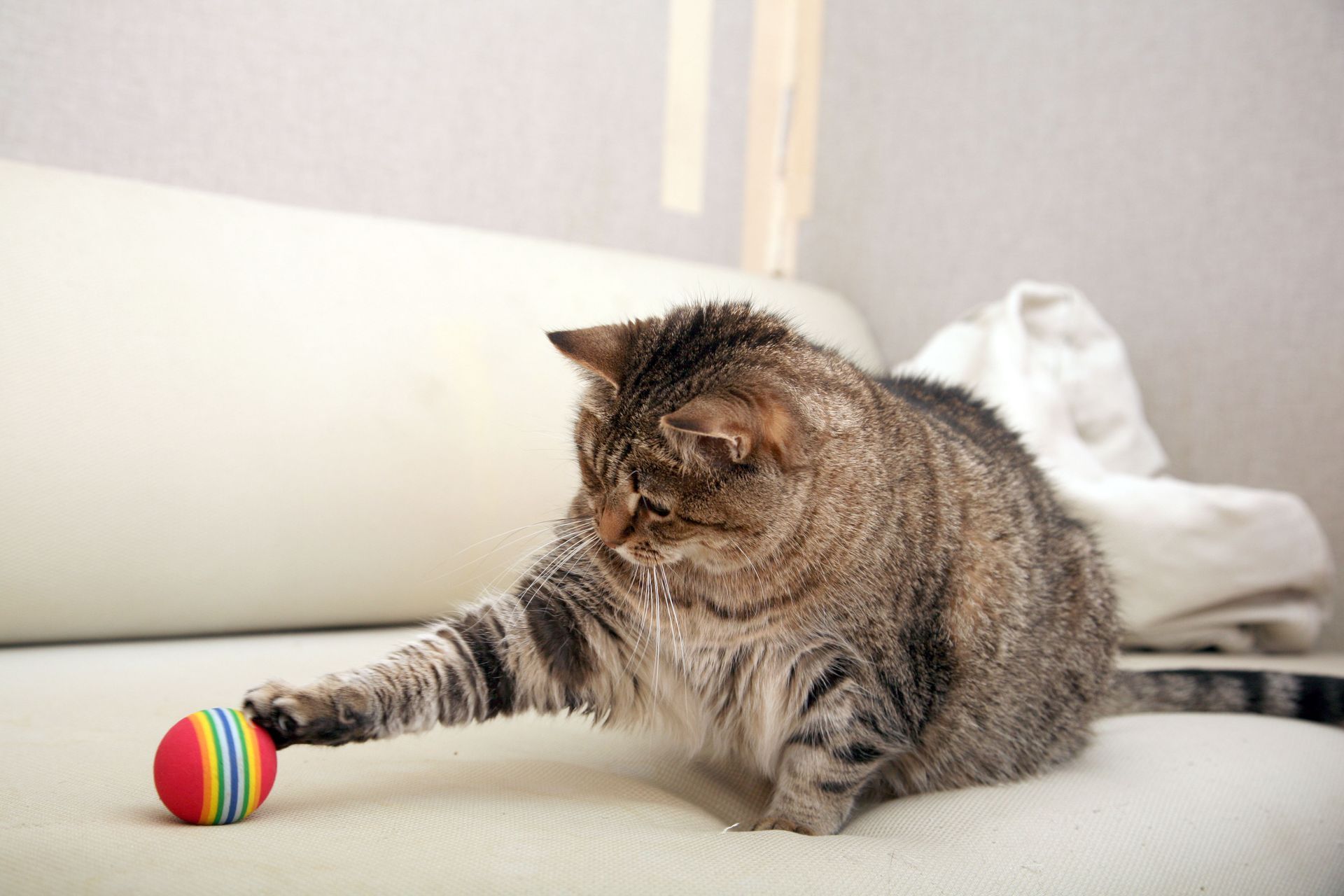
An indoor cat suffering from advanced osteoarthritis, a painful resorptive tooth lesion, or early-stage kidney disease will rarely cry out, limp, or complain. Instead, they will adjust their behavior so gradually that the owner barely notices. They might stop jumping onto the high kitchen counter, sleep an hour longer each day, or become slightly more irritable when handled. Homeowners often chalk these subtle shifts up to "just getting older," when in reality, the animal is quietly enduring significant discomfort.
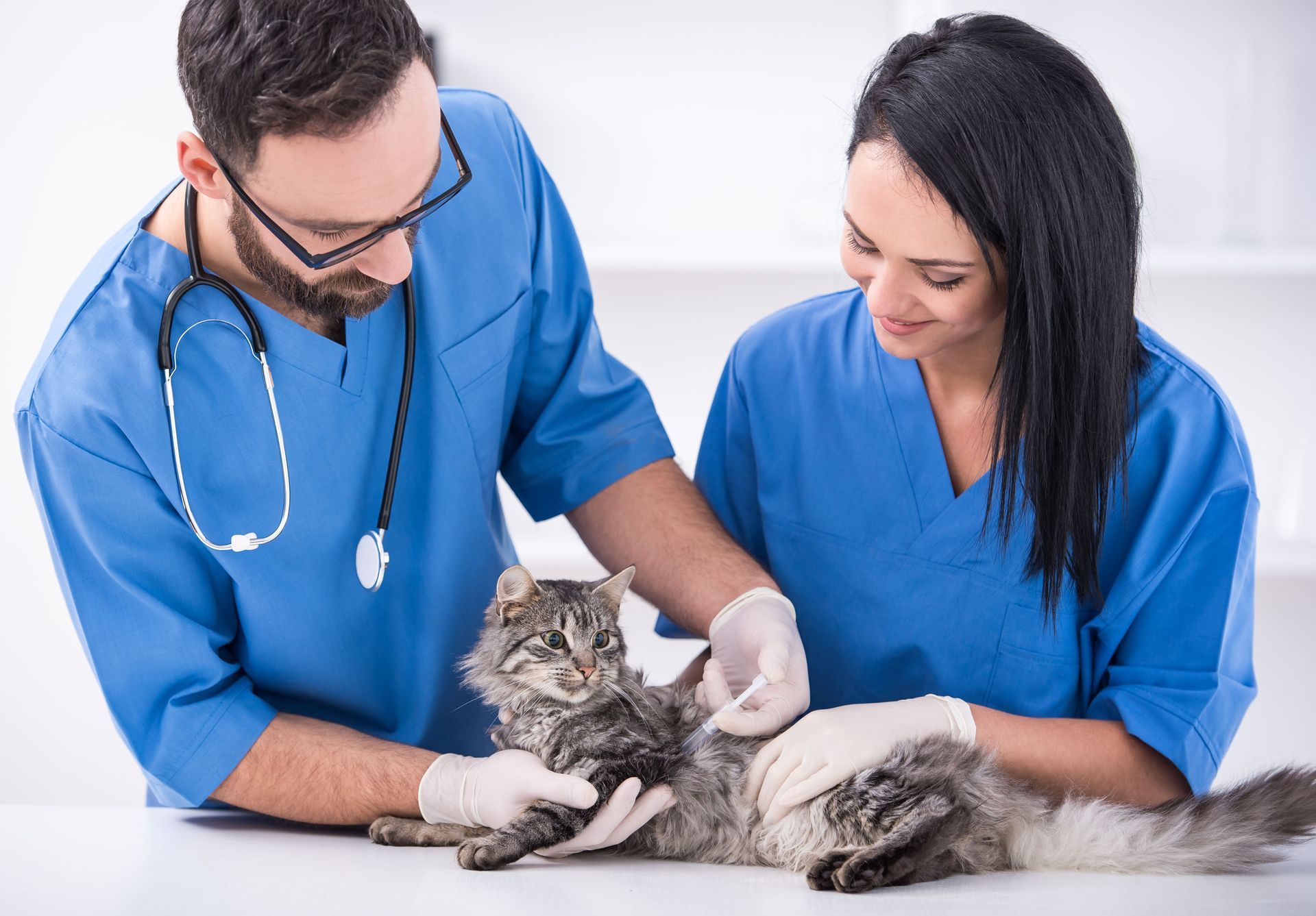
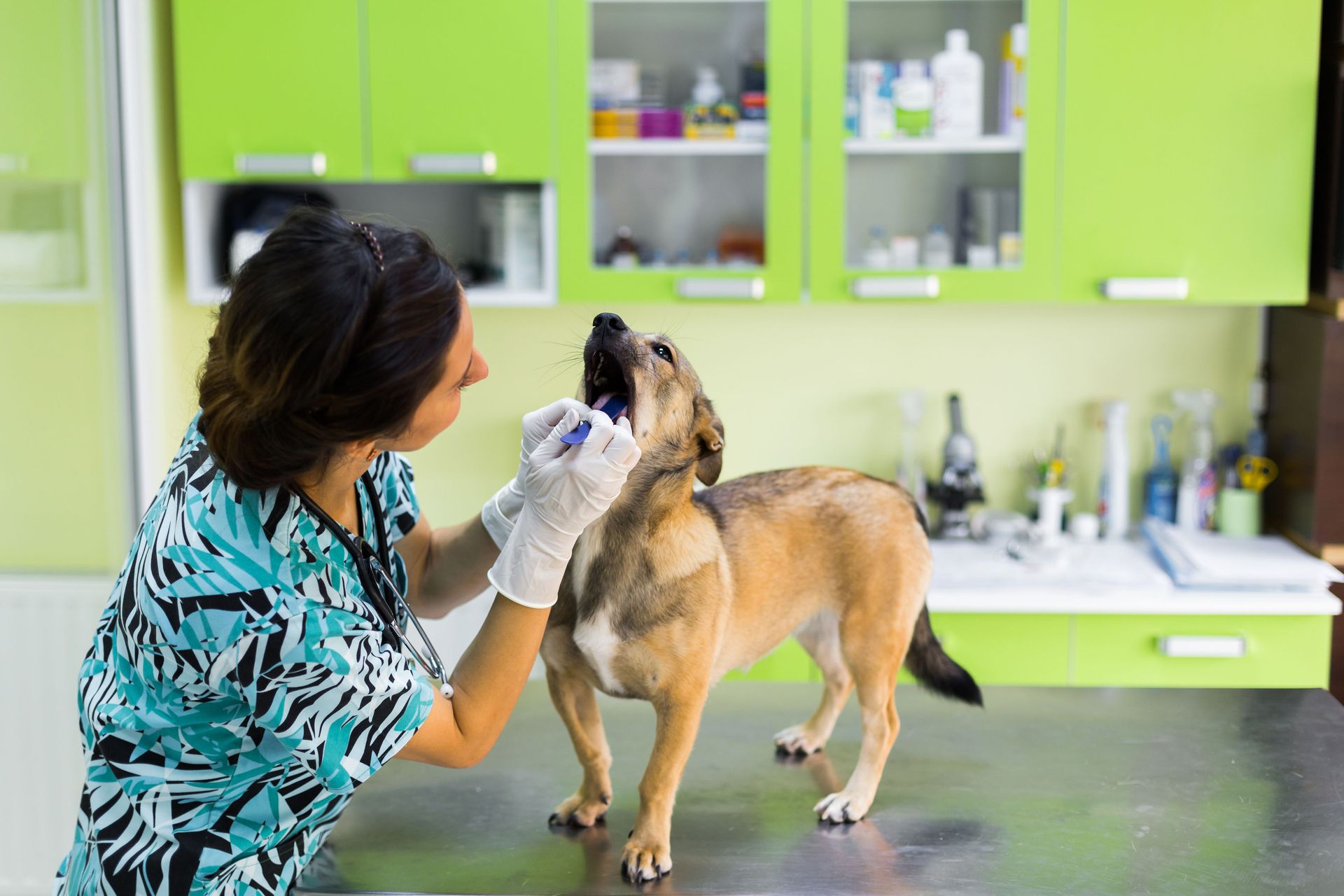
A trained professional looks past this behavioral facade using diagnostic tests, palpation, and targeted physical exams. Regular veterinarian appointments allow doctors to feel for joint swelling, listen to early heart murmurs, and inspect hidden dental structures. Relying on scheduled veterinarian appointments ensures that internal health issues are diagnosed through medical science rather than waiting for your pet to finally show visible signs of distress.
The Crucial Role of Baseline Diagnostics
As cats transition through different life stages, their internal biochemistry shifts significantly. What was a perfectly healthy metabolic profile at age four can look vastly different by age nine. Wellness checks are not just about administering booster shots; they are about establishing a continuous history of diagnostic data.
Routine blood panels, urinalysis, and fecal checks are the cornerstones of modern longevity. By checking kidney enzymes, liver function, and thyroid levels annually, doctors can spot trends over time. For example, if a cat's kidney values are steadily climbing within the normal range year after year, proactive dietary changes can be implemented long before the organs actually enter clinical failure.
Missing these critical diagnostic windows makes early intervention impossible. Skipping your annual veterinarian appointments removes the safety net that prevents manageable chronic conditions from transforming into fatal emergencies. The minor inconvenience of a quick trip to the clinic is a tiny price to pay for the deep, data-driven insights gathered during routine veterinary appointments.
The Legal and Biological Realities of Rabies
Finally, the necessity of core immunizations cannot be overstated, especially regarding the rabies virus. Many indoor cat owners assume that because their pet never sets foot on grass, a rabies vaccine is redundant. This assumption is a dangerous miscalculation of both biological risk and legal liability.
Bats, mice, and raccoons frequently find ways into residential spaces through attics, chimneys, and crawlspaces. A frantic indoor cat will instinctively hunt an intruding bat or rodent, creating a high-risk exposure scenario. Because rabies is entirely fatal once symptoms manifest and presents a massive public health hazard to humans, local laws strictly mandate rabies vaccinations for all domestic pets, regardless of their indoor status.
Furthermore, if an unvaccinated indoor cat accidentally escapes outside, gets startled, and bites a neighbor or a veterinary technician, the legal consequences are severe. Unvaccinated animals that bite humans are often subject to strict, state-mandated quarantines or euthanasia for disease testing. Keeping up with your routine appointments guarantees that your pet remains fully compliant with local public health statutes, protecting them from legal complications and safeguarding human family members from lethal zoonotic transmission.
Choosing an indoor lifestyle is an excellent way to prolong a cat's lifespan, but it is only half of the wellness equation. True protection requires combining a safe indoor environment with consistent, modern medical oversight.
Preventative care is an investment in your companion's future comfort, happiness, and longevity. By scheduling annual checkups, running baseline labs, and maintaining core immunizations, you eliminate the hidden threats that slip past your front door. Do not wait for an emergency to reveal a hidden illness; take control of your cat's healthcare today by contacting your local clinic to secure the comprehensive medical attention your indoor pet truly deserves. Reach out to West Toledo Animal Hospital today to partner with our expert team for your cat's wellness needs.






Share On: