
Tips for Making Vet Visits Easier for Nervous Dogs
Many dogs feel anxious during trips to the animal hospital. According to the Social Science Research Network, nearly 50% of dogs in the United States have moderate to severe anxiety. Unfamiliar smells, sounds, people, and environments can make dogs uncomfortable before they even enter the building. Some dogs become restless during travel, while others may shake, bark, hide, or resist handling once they arrive.
Regular veterinarian appointments are important for monitoring a dog's health and identifying concerns early. When anxiety becomes part of the experience, it may make future visits more difficult for both pets and their families. Seeking professional help can support calmer and more manageable visits over time. Helping nervous dogs feel more comfortable during veterinarian appointments often involves patience, preparation, and consistent care from veterinary professionals. Creating calmer experiences may help reduce stress while supporting better long-term health care for dogs of all ages.
Preparing Dogs Before Vet Visits
Preparation can play a major role in helping nervous dogs feel calmer before veterinarian appointments. Sudden changes in routine or rushed travel may increase anxiety levels before the visit even begins. Veterinary professionals may recommend scheduling visits during quieter hours when possible. Less activity in waiting areas can help reduce stress for dogs that become overwhelmed by noise or unfamiliar animals.
Transportation may also affect a dog's comfort level. Some dogs become anxious during car rides, especially if they associate travel with stressful experiences. Veterinary teams can provide guidance for making transportation less stressful before appointments. Consistency can also help nervous dogs feel more comfortable. When visits follow a familiar routine, dogs may become less reactive over time. Calm handling and a quieter environment often support better experiences during veterinary care. Professional guidance is important for dogs with more severe anxiety symptoms. Some dogs may require additional support before veterinarian appointments to help reduce fear and discomfort during travel and examinations.
Scheduling Calm Veterinary Visits
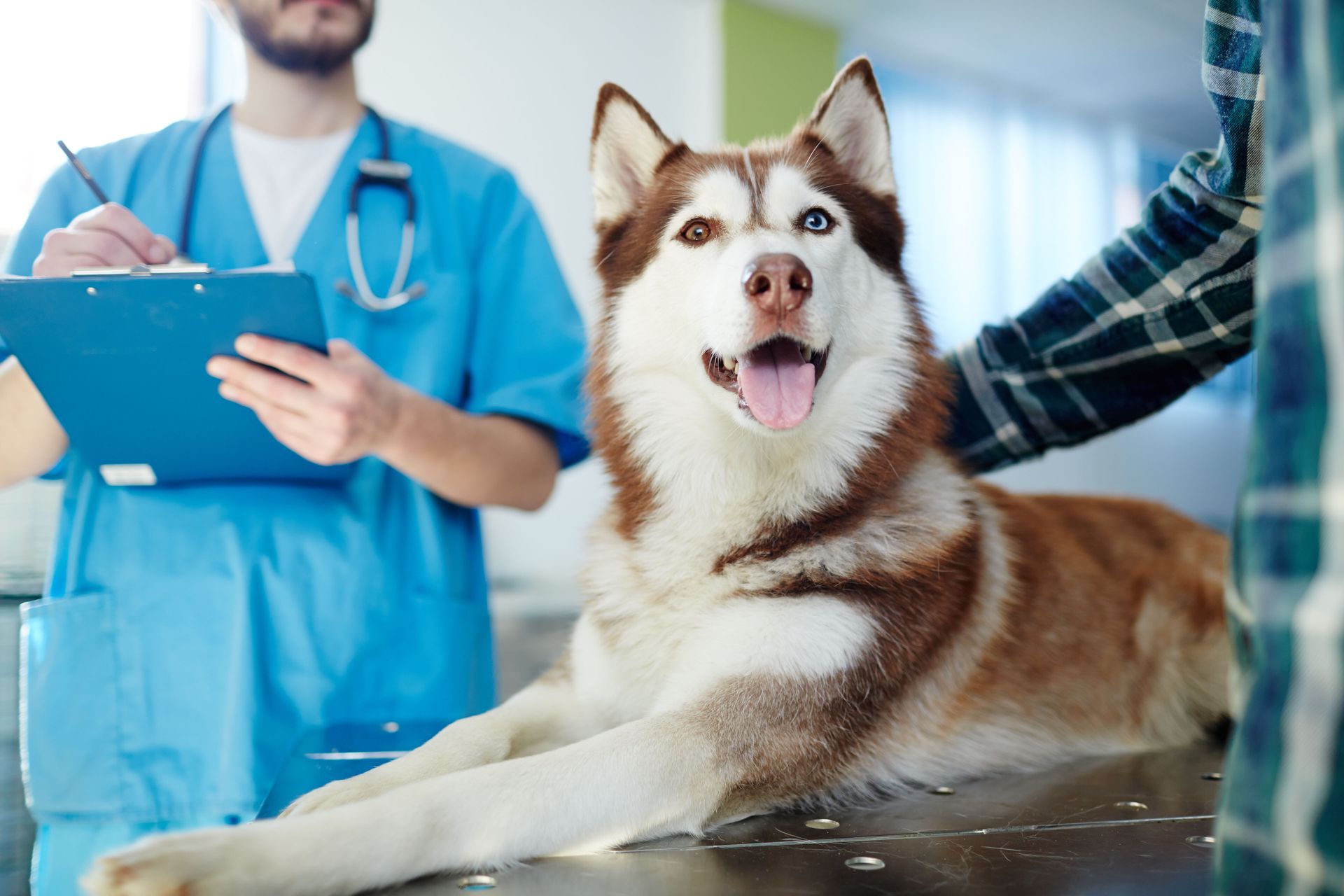
The timing of veterinarian appointments may influence how a dog reacts during the visit. Busy waiting rooms, loud environments, and longer wait times can increase stress for anxious pets. Animal hospitals often work to create calmer settings for nervous dogs whenever possible. Scheduling visits during slower parts of the day may help reduce stimulation and make the environment feel less overwhelming.
Veterinary staff may also recommend arriving a few minutes early or waiting in a quieter area until the appointment begins. Reducing exposure to crowded spaces may help anxious dogs remain calmer before entering the exam room. Shorter and more focused veterinarian appointments may also benefit nervous dogs. Gradual exposure to the veterinary environment can sometimes help reduce fear over time. Professional guidance helps determine what approach works best based on the dog's behavior and anxiety level. Seeking professional help early may also prevent anxiety from becoming more severe. Dogs that repeatedly experience stress during visits may become more fearful during future veterinarian appointments if their anxiety is not addressed properly.
Monitoring Anxiety During Visits
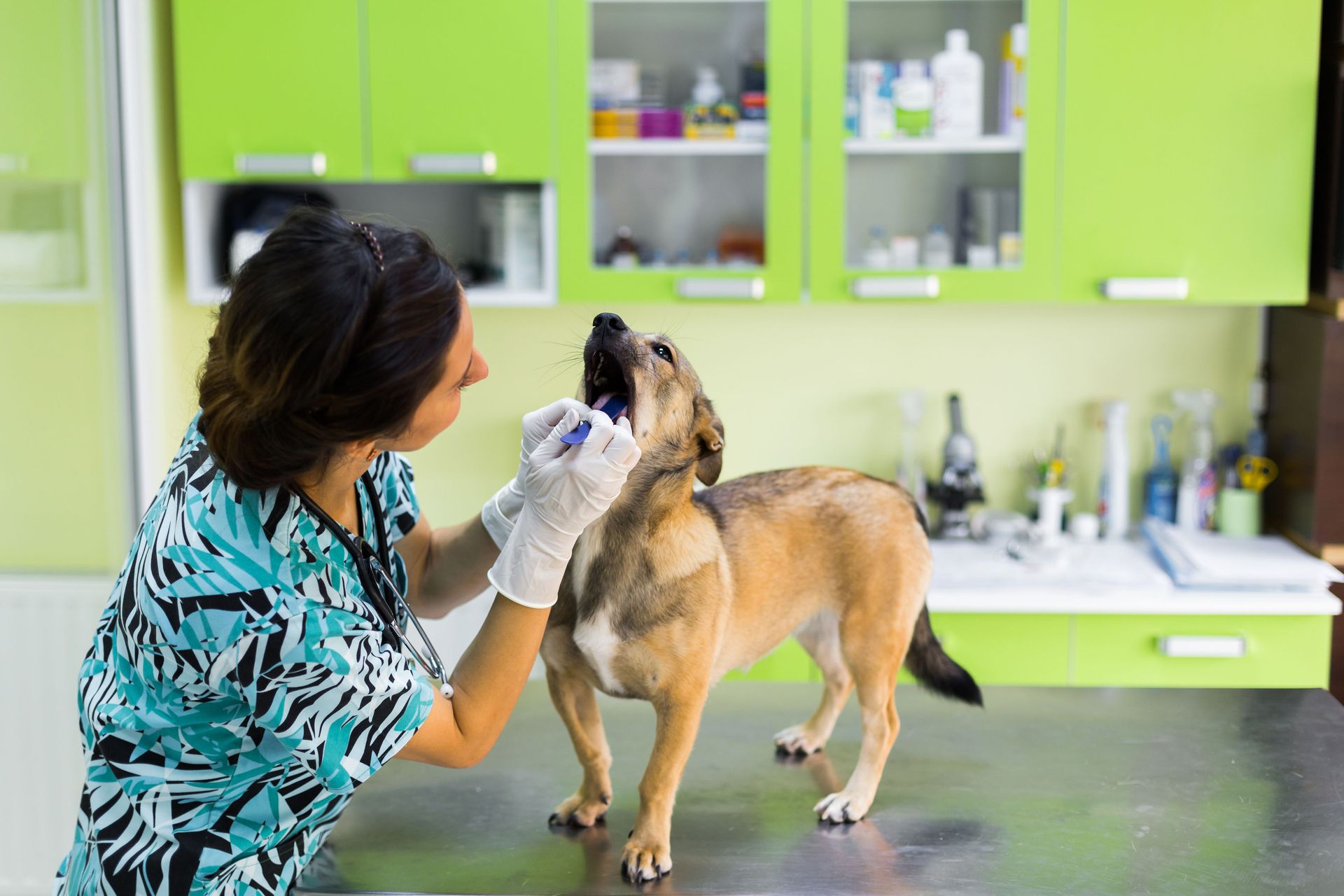
Dogs often show anxiety through body language and behavior changes. Pacing, panting, trembling, whining, hiding, and excessive barking are common signs of stress during veterinarian appointments. Veterinary professionals are trained to recognize these behaviors and adjust handling methods when needed. Calm communication and slower movements may help reduce fear during examinations and procedures. Monitoring anxiety closely allows veterinary teams to respond before stress levels become too intense. Some dogs may require breaks during veterinarian appointments, while others may benefit from quieter exam areas.
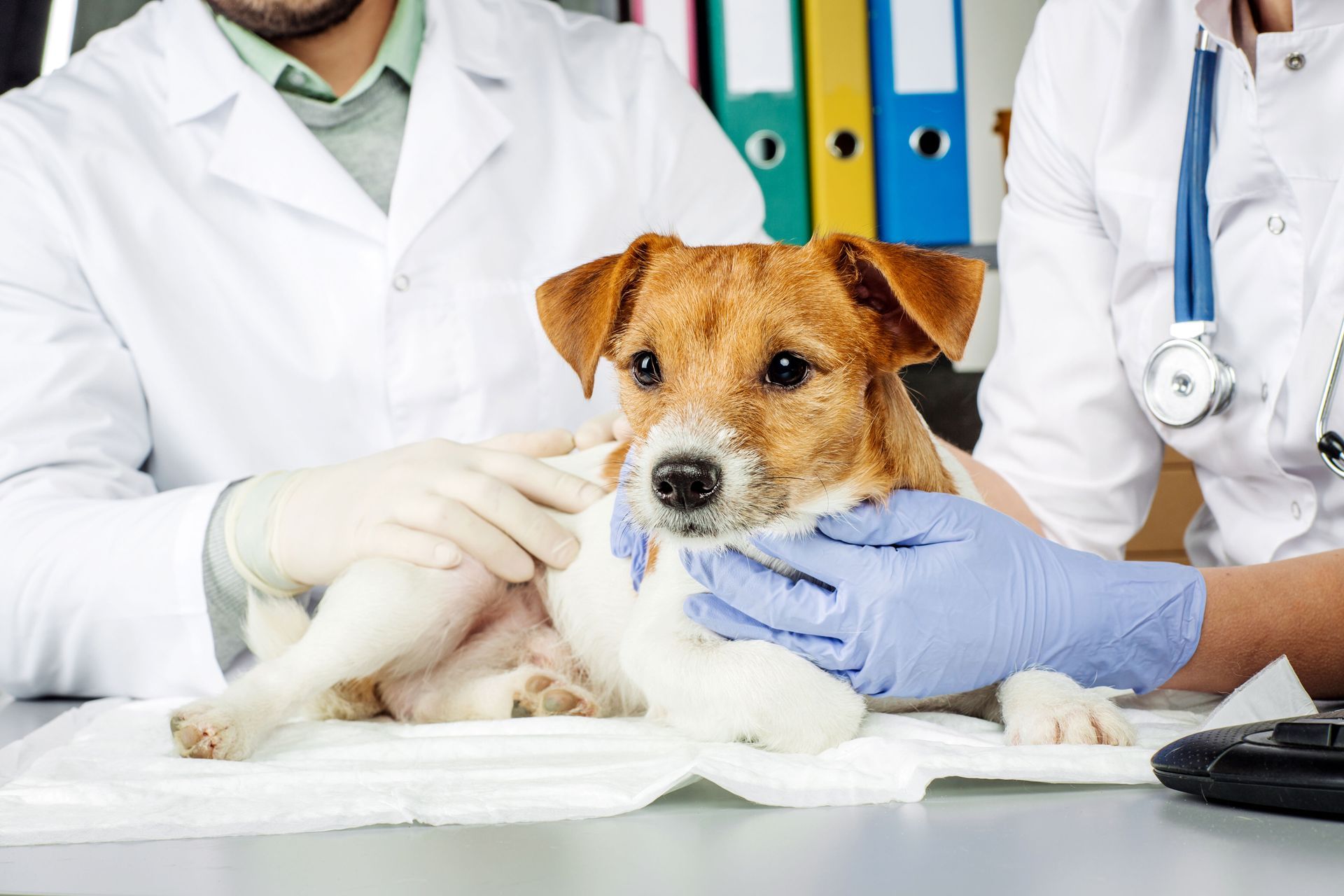
Fear-related behavior can also make examinations more difficult. Anxious dogs may resist handling or become reactive when frightened. Veterinary teams often use low-stress handling methods to help dogs remain calmer during care. Professional evaluations are important for dogs with ongoing anxiety concerns. Severe fear responses may affect a dog's ability to receive regular medical care comfortably. Veterinary professionals can discuss additional options to support safer and calmer visits.
Creating Positive Veterinary Experiences
Positive experiences may help reduce fear associated with veterinarian appointments over time. Dogs that repeatedly encounter stressful situations at the animal hospital may begin reacting negatively before appointments even begin. Veterinary teams often focus on creating calmer interactions that help dogs feel less threatened during visits. Gentle handling, patient communication, and quieter exam settings may support a more comfortable experience.
Some dogs may respond better when visits happen gradually. Short visits focused on calm interaction instead of lengthy procedures may help reduce anxiety levels in certain situations. Consistency between visits may also improve comfort over time. Familiar routines and calm environments often help dogs feel less uncertain during veterinarian appointments. Professional support remains important throughout the process. Anxiety-related behavior varies from one dog to another, and veterinary teams can help determine what adjustments may improve future visits.
Reducing Stress During Examinations
Physical examinations may feel overwhelming for nervous dogs. Close handling, unfamiliar equipment, and medical procedures can increase stress levels during veterinarian appointments. Veterinary professionals often use slower approaches when working with anxious pets. Allowing dogs time to adjust to the exam room and veterinary staff may help reduce fear before examinations begin. Noise levels inside the clinic may also affect nervous dogs. Loud sounds and sudden movement can increase anxiety during visits. Calmer exam settings may support more relaxed behavior throughout the appointment.
Dogs experiencing severe fear may need additional behavioral support before routine veterinarian appointments become easier. Veterinary professionals can evaluate the dog's condition and recommend appropriate care options based on the severity of the anxiety. Professional guidance also helps identify whether anxiety is linked to medical discomfort. Pain or illness may increase fearful behavior during examinations, making regular evaluations especially important.
Maintaining Consistent Veterinary Care
Regular veterinarian appointments remain important even for dogs that experience anxiety. Delaying veterinary care may allow health problems to worsen over time. Routine visits help monitor weight, dental health, mobility, skin conditions, and other areas that affect long-term wellness. Veterinary professionals can also identify early warning signs of illness before symptoms become more serious. Consistent veterinary care may also help anxious dogs become more familiar with the clinic environment. Repeated exposure to calmer experiences may gradually reduce stress during future appointments.
Behavior changes at home can sometimes signal underlying health concerns. Anxiety, irritability, appetite changes, or unusual behavior may indicate medical issues that require professional attention. Regular veterinarian appointments help monitor these concerns more closely. Veterinary teams can also track anxiety-related behavior over time and adjust care approaches when needed. Continued support may help improve the overall experience for nervous dogs during future visits.
Supporting Long-Term Comfort for Dogs
Long-term comfort during veterinarian appointments often depends on patience, consistency, and ongoing professional support. Anxiety may not disappear immediately, but calmer experiences can help improve future visits gradually. Veterinary professionals understand that nervous dogs may require additional care and attention during appointments. Adjusting the environment, handling methods, and scheduling approach may help reduce stress levels over time.
Dogs that receive regular care in calmer settings may become less reactive during examinations and handling. Positive experiences often support better cooperation and reduced anxiety during future veterinarian appointments. Seeking professional help early also allows veterinary teams to address anxiety before it becomes more severe. Dogs with ongoing fear-related behavior may benefit from consistent monitoring and individualized care plans. Helping nervous dogs feel calmer during veterinarian appointments supports both emotional comfort and long-term health. Routine veterinary care allows medical concerns to be identified early while helping dogs maintain healthier and more comfortable lives.
Making vet visits easier for nervous dogs often involves preparation, calmer environments, patient handling, and ongoing professional support. Regular veterinarian appointments help monitor health concerns while giving anxious dogs opportunities to build more positive experiences over time. For compassionate care and dependable veterinarian appointments, contact West Toledo Animal Hospital today.






Share On: