
How to Prepare Your Pet for Animal Hospital Appointments
Visiting an animal hospital can be an anxious experience for both pets and their owners. However, careful preparation can make the process much smoother and less stressful. Knowing how to prepare your pet before, during, and after their visit helps ensure they receive the best possible care. From gathering medical records to managing anxiety, being proactive is key. The following guide explains how to get ready for animal hospital appointments in a way that supports your pet’s comfort and health while keeping you informed and confident throughout the process.
Understand Your Pet’s Health Needs
Recognizing your pet’s health needs is the first step in preparing for animal hospital appointments. Paying close attention to their behavior and physical condition can help identify early signs of illness, such as lethargy, appetite changes, or unusual actions. Documenting these symptoms gives your veterinarian a clearer picture of what’s happening, allowing for faster and more accurate diagnoses.
According to the Global Veterinary Medicine Industry Report, nearly 70% of households in North America and Europe own at least one pet. As pet ownership rises, so does the need for attentive, informed care. Early recognition of potential health issues ensures that minor concerns don’t become major medical problems. Maintaining a health log, noting diet, energy levels, and any irregularities, helps your veterinarian make informed recommendations during each visit.
Organize Medical and Behavioral Information
Before scheduling animal hospital appointments, take time to organize your pet’s medical history. Gather vaccination records, previous illness documentation, and any medication details. Having this information readily available not only saves time but also helps your veterinarian make well-informed decisions. Keep all medical records in a central location, whether digital or physical, and bring them to each appointment.
Behavioral information is equally important. Pets with anxiety, aggression, or fear-related issues often need special handling during visits. Notifying your vet about any behavioral concerns allows the staff to prepare accordingly. Some clinics can schedule quieter times or provide a separate waiting area for pets that get nervous around others.
Working closely with your veterinarian to address behavioral challenges benefits both you and your pet. Training, desensitization, and positive reinforcement techniques can help reduce fear and improve cooperation during future appointments. A well-prepared pet is calmer and easier to examine, ensuring a safer and more effective visit.
Plan Nutrition, Medication, and Special Needs
Proper nutrition and medication management play a key role in successful animal hospital appointments. Before visiting the vet, review your pet’s diet and overall body condition. Overweight pets or those with poor coat quality may need dietary adjustments. Discussing your pet’s nutrition with the veterinarian allows for more tailored recommendations. A balanced diet can prevent many health problems and support long-term well-being.
If your pet takes medication, maintain a clear record of dosage and timing. Provide this information during check-in so the veterinarian can evaluate how well the treatment is working. Sometimes adjustments or substitutions may be necessary based on new findings. Ensure medications are administered as scheduled unless your veterinarian instructs otherwise.
For pets with chronic illnesses, mobility challenges, or disabilities, additional preparation is essential. Communicate any special needs to the hospital staff ahead of time. This helps the team plan accommodations, such as using ramps, additional support staff, or extended appointment times. Transparent communication ensures your pet’s individual needs are respected and that their care plan is executed effectively.
Schedule and Confirm Appointments
When arranging animal hospital appointments, timing matters. Choose a time when your pet is typically calm and rested, avoiding periods when they’re anxious or overly active. Morning appointments often work best for pets who experience stress later in the day. Also, ensure your own schedule allows enough time for travel and post-visit care without rushing. Your calm energy directly influences your pet’s comfort.
After selecting a date and time, confirm all appointment details, including location, procedures, and special preparation requirements. A brief call or email confirmation can prevent misunderstandings. Ask whether any fasting or medication restrictions apply before the visit. Being fully aware of what to expect makes the experience more organized and less stressful.
Before the appointment, prepare a list of questions for the veterinarian. Topics might include changes in diet, behavior, or new symptoms you’ve observed. Writing questions down ensures you don’t forget them during the visit. Effective communication promotes collaboration and ensures your concerns are addressed comprehensively. Every discussion you have with your veterinarian helps strengthen your role as an informed and engaged pet owner.
Prepare Your Pet for the Visit
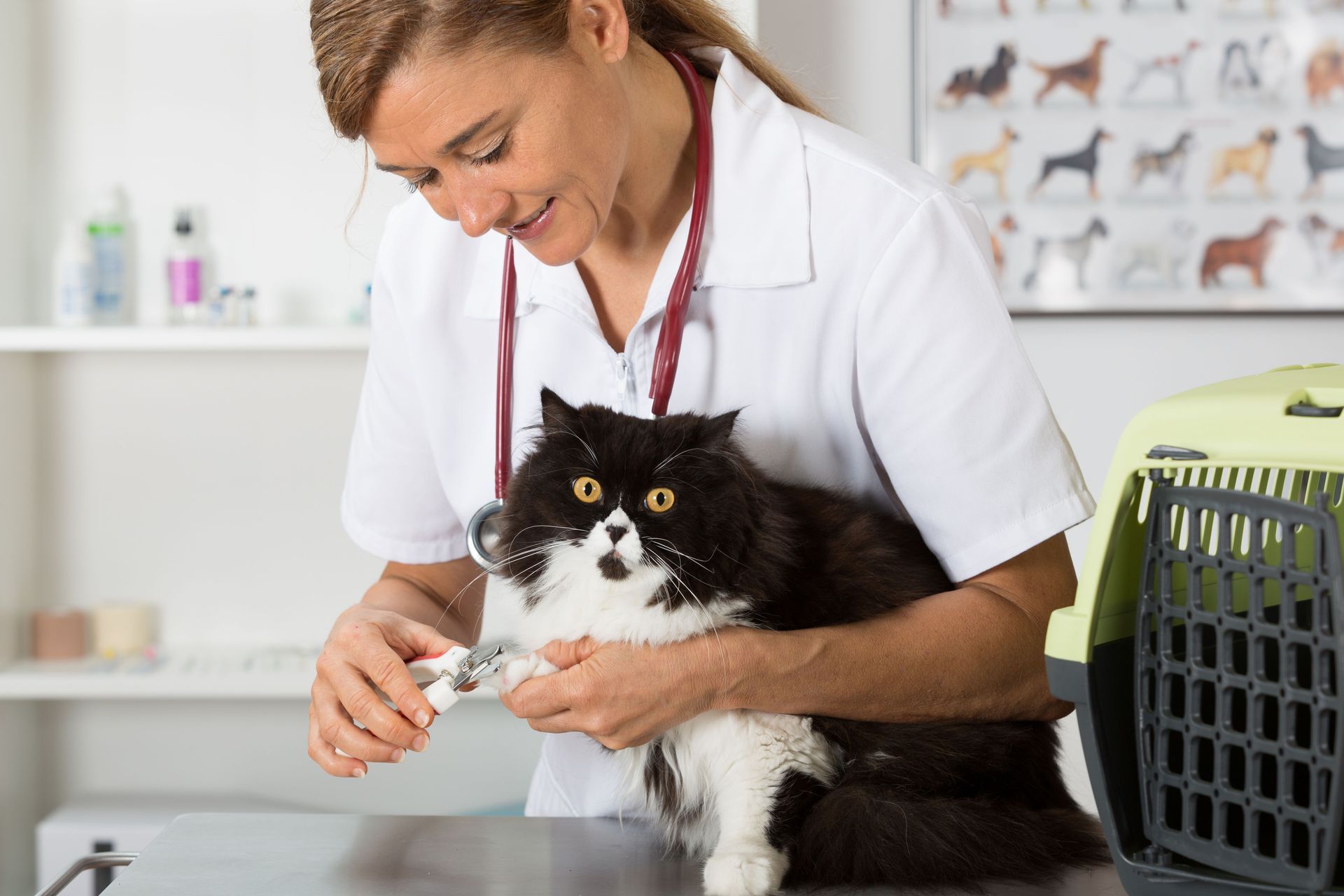
The journey to the animal hospital can set the tone for the entire experience. Start by ensuring your pet’s transportation is comfortable and secure. Use a well-ventilated carrier or harness that your pet has become familiar with in advance. Introduce these items gradually at home, using positive reinforcement so your pet associates them with safety rather than fear.
Avoid feeding your pet immediately before traveling to prevent nausea, but ensure they’re hydrated and comfortable. Plan your route to minimize noise and motion stress. Small adjustments like maintaining a quiet car environment and using gentle reassurances during the drive can make a big difference.
By carefully managing transportation, feeding, and grooming, you can help make animal hospital appointments a positive experience that supports your pet’s comfort and health.
Manage Pet Anxiety and Use Calming Techniques
Anxiety management is often the most challenging part of animal hospital appointments. Loud noises, unfamiliar scents, and new people can all trigger fear in pets. Recognizing what specifically causes your pet’s anxiety allows you to plan ahead. For example, if your dog fears other animals, request an appointment time when the clinic is quieter.
To help your pet remain calm, try introducing calming aids before the visit. Options include pheromone sprays, anxiety wraps, or calming treats recommended by your veterinarian. When used consistently and properly, these aids help create a sense of security. Music designed for pets or familiar blankets can also provide comfort in the waiting room.
Collaborate with your veterinary team to establish the best approach for your pet’s comfort. Many clinics are trained in fear-free handling techniques, which focus on minimizing stress and building trust. By addressing anxiety with care and patience, you’re setting your pet up for a lifetime of calmer, more successful animal hospital appointments.
Care for Your Pet Post-Appointment
The care you provide after animal hospital appointments is just as important as the preparation beforehand. Once home, allow your pet time to relax and recover, especially if they underwent any testing or treatment. Offer a quiet, familiar space and monitor their behavior closely. Some pets may be groggy, anxious, or mildly sore after certain procedures.
Follow all post-appointment instructions carefully. Administer any prescribed medications exactly as directed, and update your pet’s medical records to reflect new treatments or recommendations. If your vet requested a follow-up visit, schedule it promptly to ensure continuity of care. Keeping up with follow-up appointments helps track your pet’s progress and address issues before they escalate.
Rewarding your pet with gentle praise, treats, or playtime reinforces positive associations with vet visits. Over time, consistent preparation and calm post-care routines teach your pet that animal hospital appointments aren’t something to fear—they’re simply part of a healthy, loving life.
Preparing for animal hospital appointments involves more than just showing up on time—it’s about fostering trust, consistency, and open communication between you, your pet, and your veterinary team. From understanding your pet’s health needs and organizing records to managing nutrition, anxiety, and post-care, each step contributes to better outcomes and a happier pet. When you take time to prepare thoughtfully, your pet feels secure, your vet is better informed, and the entire experience becomes smoother and more positive. For compassionate, personalized care that puts your pet’s comfort first, schedule your next visit with West Toledo Animal Hospital today.




Share On: