What New Pet Owners Should Know About Pet Health
Welcoming a new pet into your home is an exciting and rewarding experience. However, with pet ownership comes the responsibility to ensure your furry companion's health and well-being. One of the most crucial aspects of being a responsible pet owner is understanding the medical care needs of your pet. From routine check-ups to emergency care, staying informed about veterinary services can significantly improve your pet's quality of life. This article will guide new pet owners through essential medical care knowledge to help ensure that their pets lead happy and healthy lives. By learning the basics of preventive care and recognizing when to seek professional help, you can give your pet the best possible start in their new home.
Schedule Your Pet’s First Health Check-Up
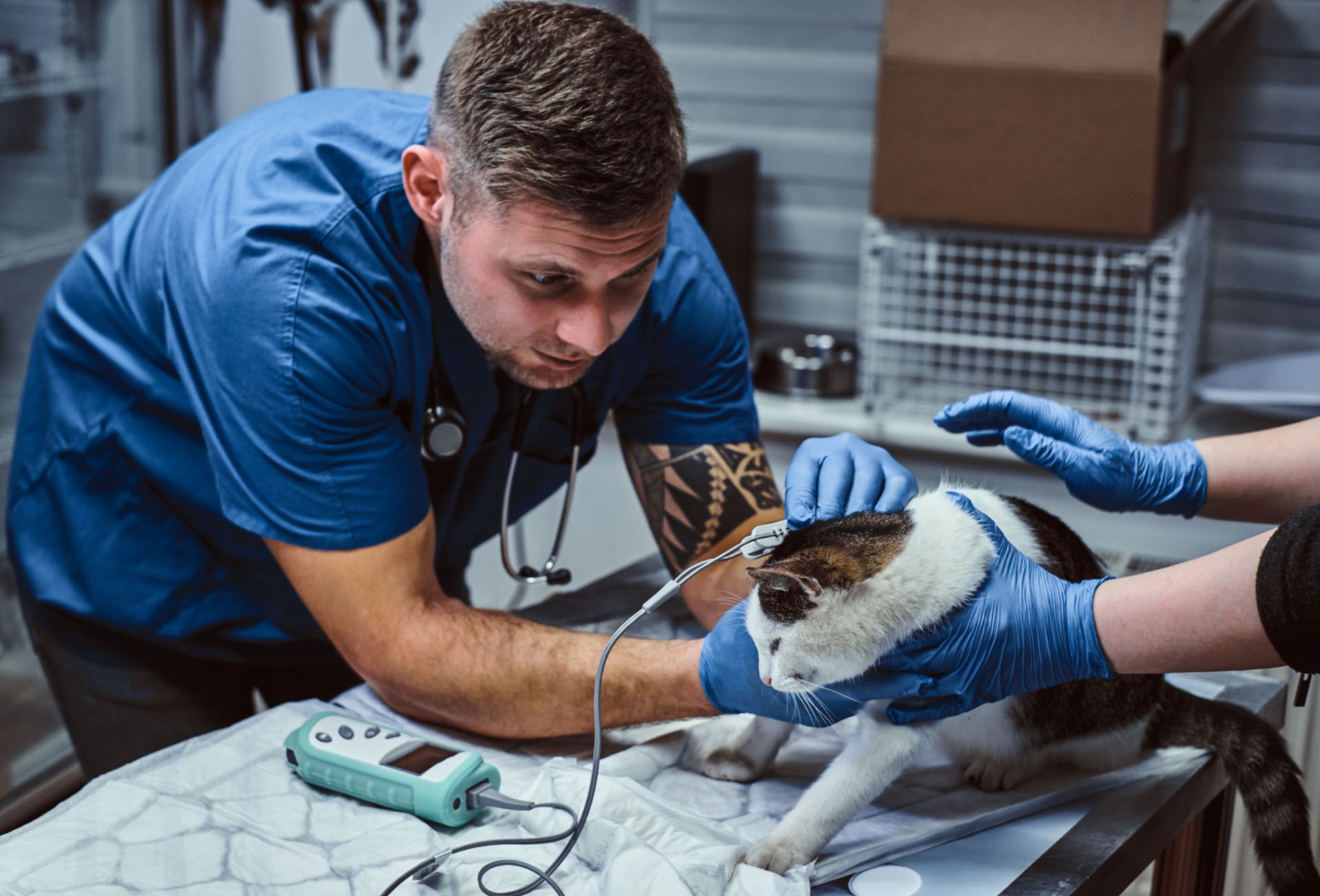
The first step for any new pet owner should be scheduling an initial health check-up as soon as the pet arrives home. This first vet visit is crucial as it helps establish a baseline for your pet's health and identifies any immediate healthcare needs. Veterinarians will typically conduct a thorough examination, checking for common issues such as parasites, congenital defects, or other health concerns. Additionally, this visit provides an opportunity to begin establishing a relationship with a trusted veterinary services provider, which is invaluable for ongoing care. Addressing potential health issues early on can prevent them from becoming serious problems later.
Keep Up With Routine Wellness Exams
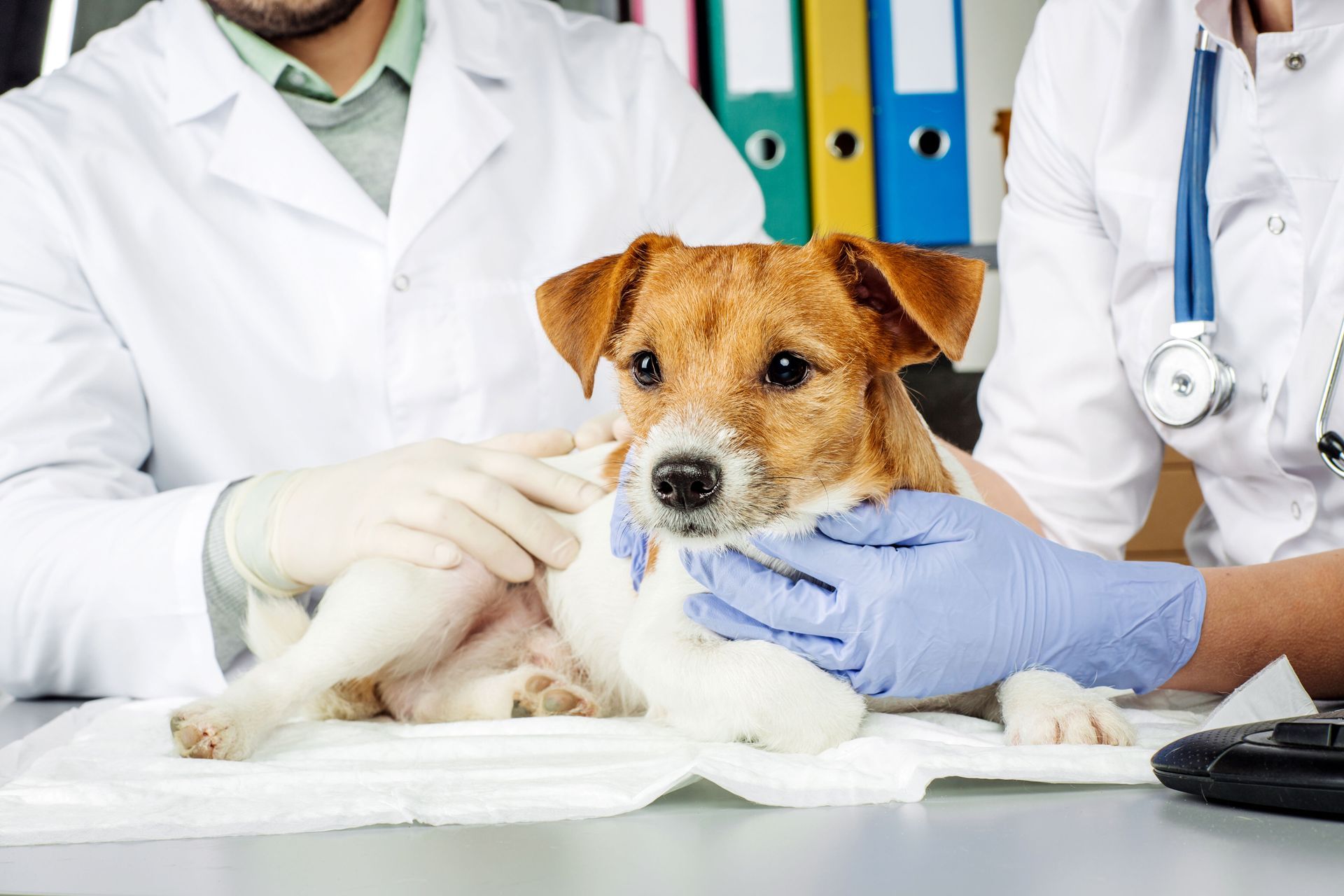
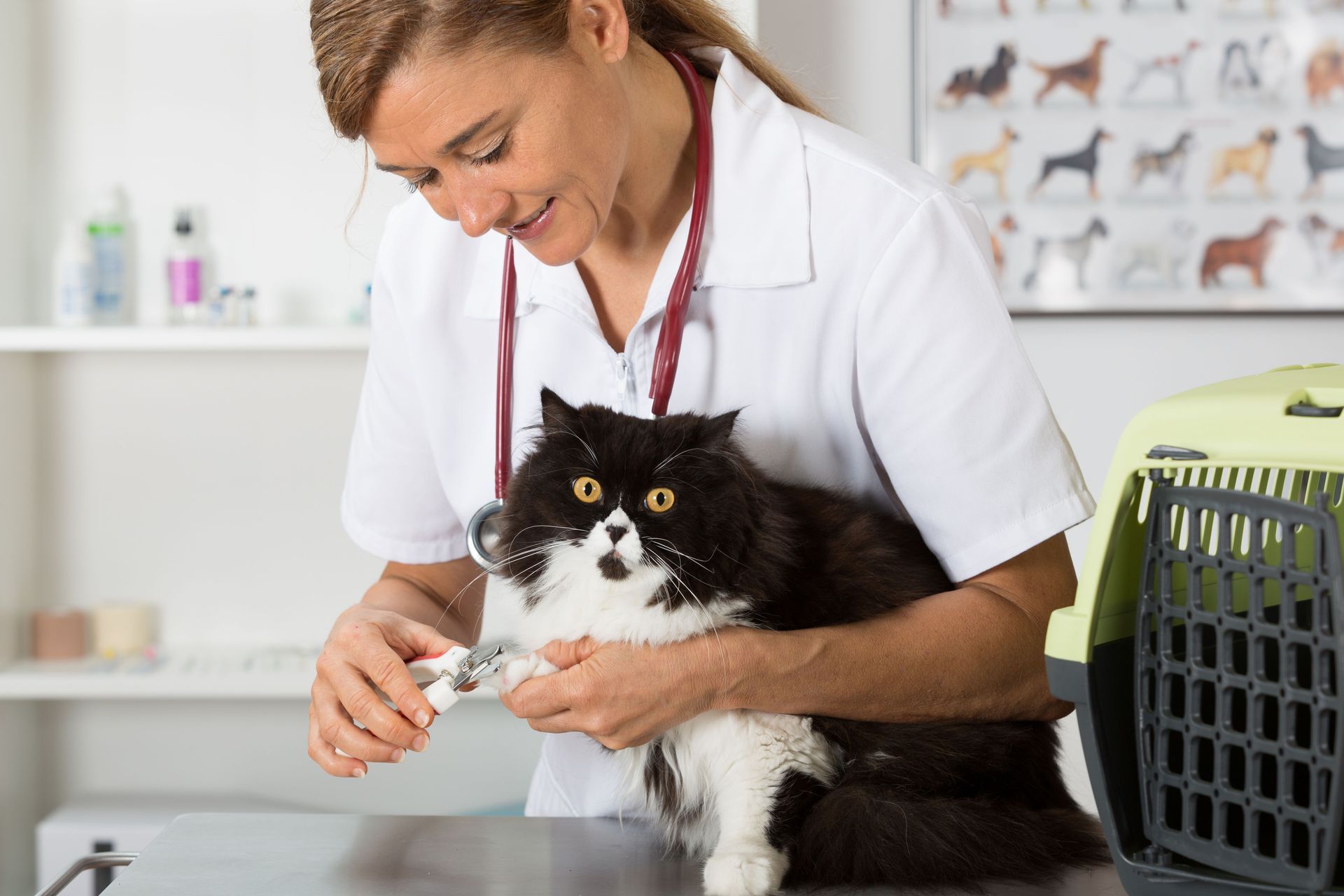
Routine wellness veterinary services are vital to maintaining your pet's health throughout their life. Most veterinarians recommend annual or semi-annual check-ups, depending on the pet's age and health status. During these exams, a veterinarian evaluates your pet's overall health, updates necessary vaccinations, and discusses any changes in behavior or health that concern you. Regular visits also ensure that any emerging health issues can be detected and addressed early, potentially saving on more expensive treatments down the line. According to Forbes, more than a third of Americans have multiple pets, highlighting the importance of keeping up with routine exams to manage the health of pets effectively.
Protect Your Pet With Essential Vaccinations
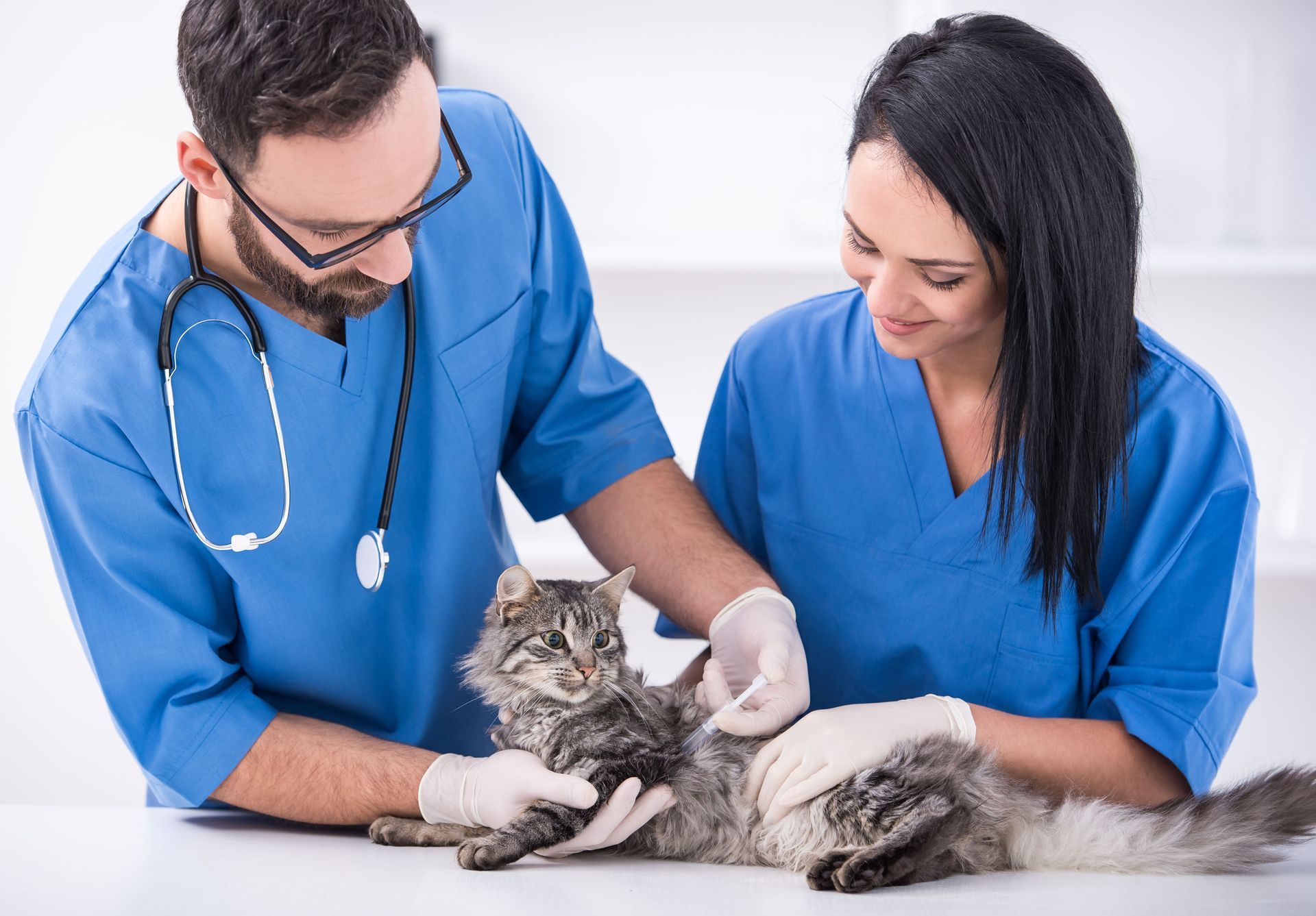
Veterinary services for vaccinations are a critical component of preventative health care in pets. They protect against a range of diseases that can be life-threatening or severely affect your pet's quality of life. Typically, your veterinarian will follow a vaccination schedule based on your pet's type, age, and health status. Core vaccines for dogs and cats usually include rabies, distemper, and parvovirus for dogs, and rabies and feline distemper for cats. Ensuring your pet is up-to-date with their vaccinations not only protects them but also helps prevent the spread of diseases within the animal community.
Recognize When Emergency Care Is Needed
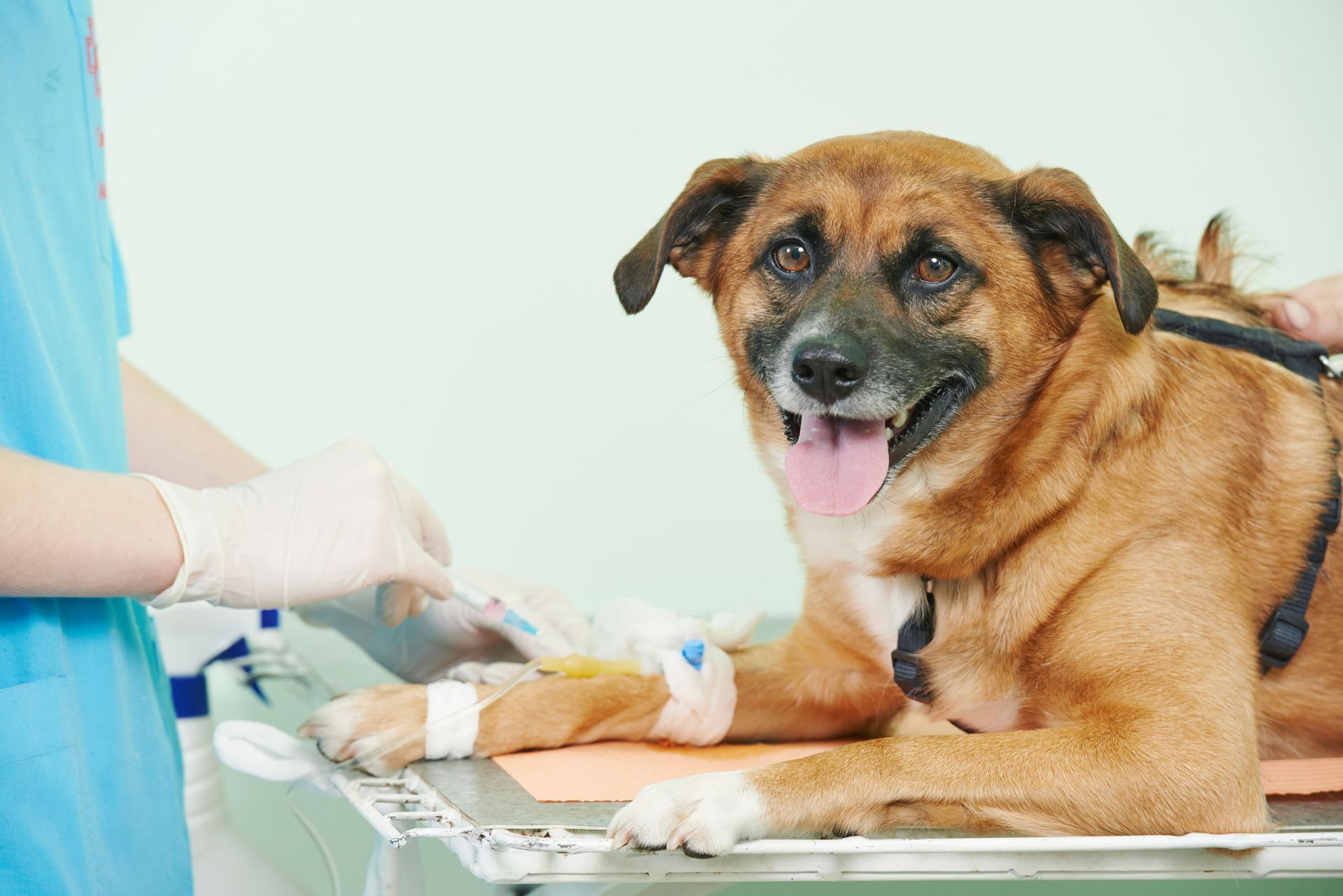
Understanding the signs that necessitate immediate veterinary attention is crucial for every pet owner. Symptoms such as sudden lethargy, vomiting, diarrhea, difficulty breathing, or changes in urination or defecation patterns can indicate serious health issues. Additionally, noticeable pain, swelling, or bleeding are red flags that require urgent assessment from a veterinarian. Acting quickly in these situations is vital, as delays can lead to more severe complications or even be life-threatening. Familiarizing yourself with these warning signs and having a plan in place for emergency veterinary services can be lifesaving for your pet. Keeping your veterinarian’s contact information and a nearby emergency clinic’s number on hand ensures you’re always prepared to respond when every second counts.
Prevent and Control Common Parasites
Parasites like fleas, ticks, and worms are common concerns for pet owners, and managing them with veterinary services is an integral part of your pet's care. These parasites can cause a range of health issues, from minor irritations to severe health problems like anemia or Lyme disease. Regular preventative treatments, such as monthly topical or oral medications, can effectively control these pests. It's essential to consult with your veterinarian to choose the safest and most effective products for your pet's specific needs. Proactive parasite control can help ensure your pet remains healthy and happy. By staying consistent with preventive treatments and regular check-ups, you can protect your pet from discomfort and serious disease all year round.
Support Overall Health Through Proper Nutrition
Proper nutrition is a cornerstone of preventive health care for pets. A balanced diet provides the necessary nutrients that support a pet's immune system, coat health, and overall well-being. Different pets require different dietary needs depending on their age, breed, and health status, so consulting a veterinarian for diet recommendations is advisable. Poor nutrition can lead to a variety of health problems, including obesity, dental disease, and diabetes. An understanding of your pet's nutritional needs can prevent these issues and promote a long, healthy life. By prioritizing high-quality, vet-approved food, pet owners can ensure their companions receive the nourishment they need to thrive at every stage of life.
Maintain Oral Health With Regular Dental Care
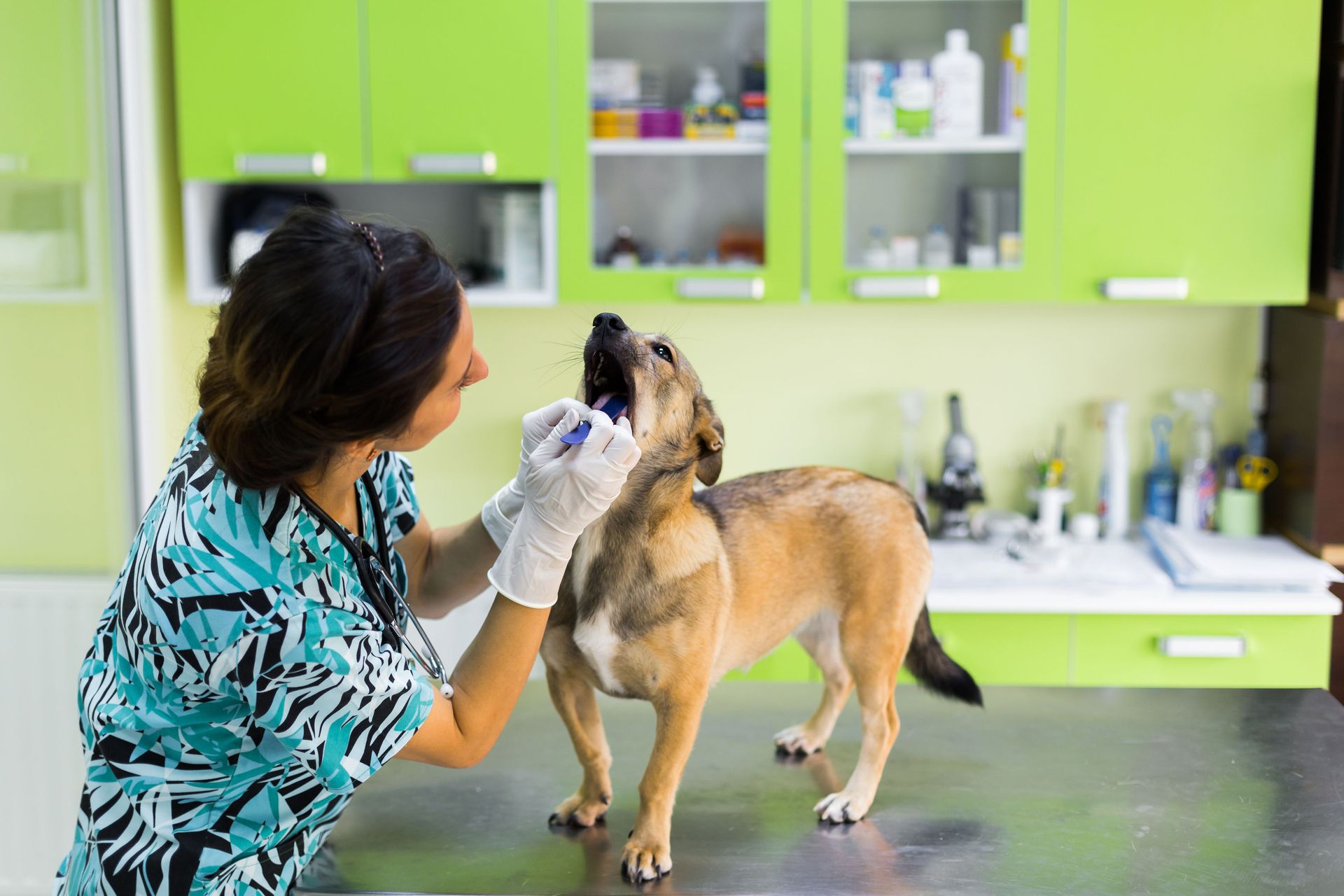
Maintaining oral health with veterinary services is often overlooked, but it is essential for overall health. Dental disease can lead to more severe health problems, including heart, kidney, and liver disease. Regular dental check-ups and cleaning, along with at-home tooth brushing, can prevent tartar buildup and gum disease. Additionally, providing dental treats or toys designed to promote oral health can help maintain healthy teeth and gums. Regular dental care should be a part of your pet's health routine, safeguarding them from serious health issues later in life. Investing time in your pet’s dental hygiene not only prevents pain and discomfort but also supports their overall vitality and longevity.
Consider Spaying or Neutering for Long-Term Health
Spaying and neutering are common veterinary services that offer numerous health benefits and help reduce pet overpopulation. These procedures can prevent certain cancers and decrease the likelihood of certain behavioral issues, such as aggression and roaming. The appropriate timing for these surgeries can vary, so consulting with your veterinarian is crucial to determine the best course of action for your pet. Additionally, spaying or neutering can contribute to longer lifespans and improve your pet's quality of life. As part of responsible pet ownership, considering spaying or neutering is essential. Beyond health and behavioral advantages, these procedures also contribute to community well-being by helping control the number of stray and unwanted animals.
Encourage Exercise and Mental Stimulation
Physical activity and mental stimulation are vital components of a healthy lifestyle for pets. Regular exercise helps maintain a healthy weight, supports muscle tone, and promotes cardiovascular health. Moreover, it reduces the risk of behavioral issues caused by boredom and frustration. Mental stimulation, through activities like puzzle toys or training games, enhances cognitive function and keeps pets engaged. A dedicated exercise and mental stimulation routine can considerably enhance your pet's quality of life and strengthen the bond between you and your pet. Incorporating daily playtime and interactive challenges can make a significant difference in your pet’s happiness and overall emotional well-being.
New pet owners have a range of responsibilities, with medical care being of paramount importance. Understanding the need for regular veterinarian appointments, recognizing signs of health issues, and implementing preventive measures are all essential in ensuring your pet's well-being. As the demand for veterinary services increases, especially in households with multiple pets, it's essential to stay informed and proactive about your pet's health needs. With the right approach, you can help your pet lead a fulfilling and healthy life. By investing in proper medical care, you set the foundation for a rewarding relationship with your pet. Reach out to West Toledo Animal Hospital to learn more about our services today!







Share On: