How an Animal Hospital Supports Long-Term Pet Health
Caring for a pet goes far beyond providing food, shelter, and affection. Long-term pet health requires consistent attention, expert guidance, and access to professional care that evolves alongside a pet’s changing needs. An animal hospital plays a central role in this process by offering comprehensive medical services, preventive care, and ongoing support that help pets live healthier, happier lives.
From early wellness visits to senior care, an animal hospital provides the structure and expertise necessary to monitor a pet’s health at every stage. Pet owners often underestimate how much proactive care influences longevity and quality of life, but routine visits and early interventions can make a significant difference. By establishing a strong relationship with veterinary professionals, families can feel confident that their pets are receiving the best possible care throughout their lives.
Preventing Health Issues Early
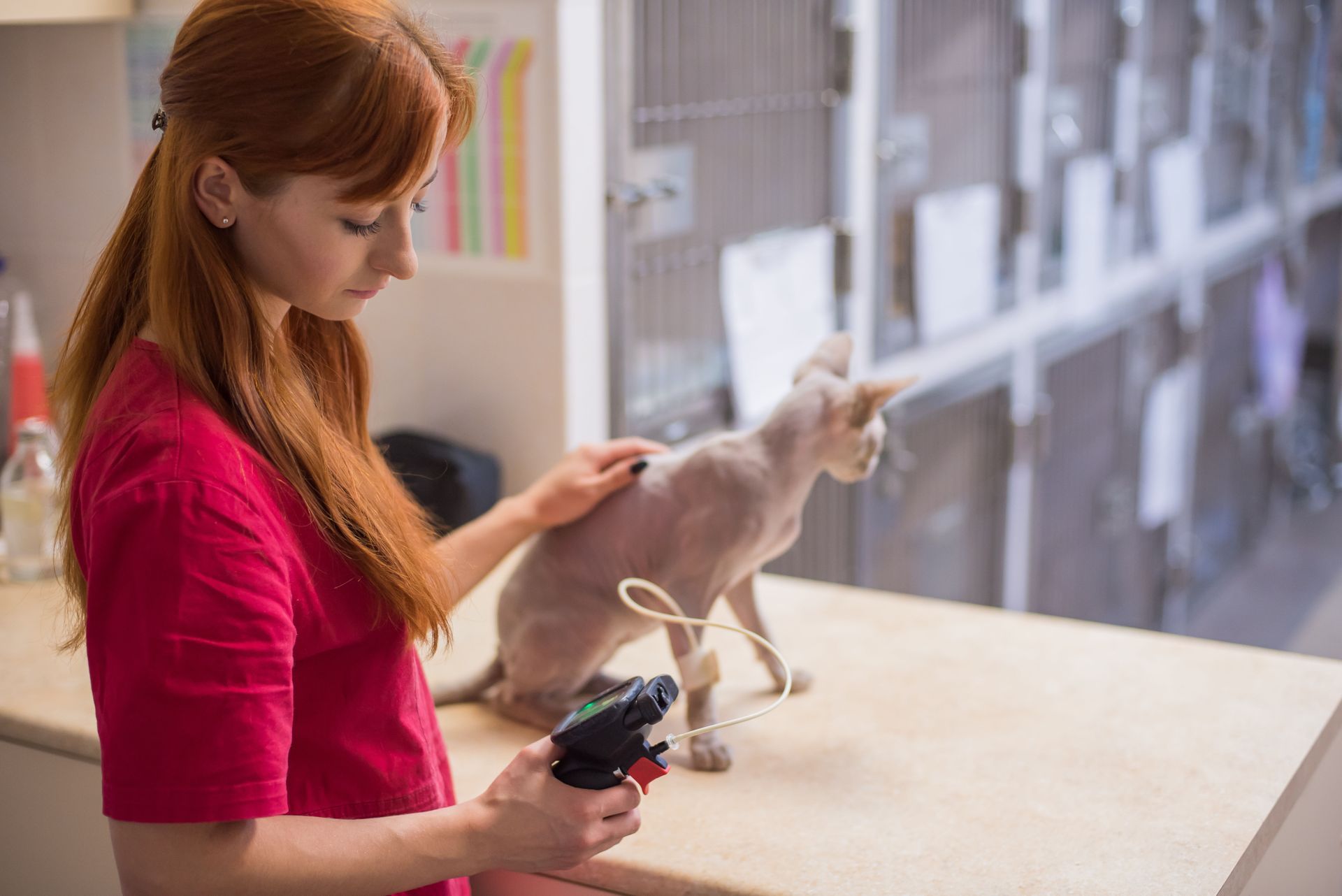
Preventive care is one of the most important ways an animal hospital supports long-term pet health. Regular checkups allow veterinarians to assess a pet’s condition, identify subtle changes, and address potential concerns before they become serious problems. These visits typically include physical exams, vaccinations, parasite prevention, and screenings that provide a complete picture of a pet’s well-being.
Early detection is especially valuable because many conditions develop gradually and may not show obvious symptoms at first. With professional evaluations, veterinarians can catch these issues sooner, which often leads to more effective treatment and better outcomes. Preventive care also helps reduce the risk of costly medical emergencies, giving pet owners peace of mind while protecting their pets’ health.
In addition, veterinarians educate pet owners about proper nutrition, exercise, and lifestyle habits that contribute to long-term wellness. This guidance ensures that pets receive consistent care at home while benefiting from professional oversight.
Managing Chronic Conditions Effectively
As pets age, they may develop chronic conditions that require ongoing management. An animal hospital provides the expertise and resources needed to monitor these conditions and adjust treatment plans as necessary. Whether a pet is dealing with joint issues, metabolic disorders, or other long-term concerns, consistent veterinary care helps maintain stability and comfort.
Chronic condition management often involves a combination of diagnostics, medication, dietary adjustments, and follow-up visits. Veterinary professionals work closely with pet owners to ensure that treatments are effective and that any changes in behavior or symptoms are addressed promptly. This collaborative approach allows pets to maintain a higher quality of life even when facing ongoing health challenges.
Regular monitoring also helps prevent complications. By staying ahead of potential issues, veterinarians can make timely adjustments that keep conditions under control and minimize discomfort for the pet.
Supporting Proper Nutrition and Weight Management
Nutrition plays a foundational role in a pet’s overall health, and an animal hospital provides valuable guidance in this area. Veterinarians evaluate a pet’s dietary needs based on factors such as age, breed, activity level, and medical history. With this information, they can recommend balanced diets that support growth, maintenance, and long-term health.
Weight management is another critical aspect of preventive care. Pets that carry excess weight are more likely to develop health issues that affect their mobility, organs, and overall well-being. Conversely, pets that are underweight may not receive the nutrients they need to thrive. Veterinary professionals help pet owners find the right balance by offering tailored feeding plans and ongoing support.
Through regular checkups, an animal hospital can track changes in a pet’s weight and body condition, ensuring that adjustments are made when needed. This proactive approach helps maintain optimal health and reduces the risk of preventable conditions.
Providing Advanced Diagnostics and Treatment
Modern animal hospitals are equipped with advanced diagnostic tools that allow veterinarians to gain deeper insights into a pet’s health. These tools can include imaging technology, laboratory testing, and specialized evaluations that help identify underlying conditions with greater accuracy.
When a pet shows signs of illness or discomfort, timely diagnostics are essential for determining the cause and developing an effective treatment plan. By using advanced technology, veterinarians can make informed decisions that lead to better outcomes and faster recovery times.
Treatment options may vary depending on the condition, but often include medical therapies, surgical procedures, and supportive care. An animal hospital ensures that pets receive comprehensive treatment in a safe and controlled environment. This level of care is especially important for complex cases that require specialized attention.
Promoting Dental and Preventive Hygiene Care
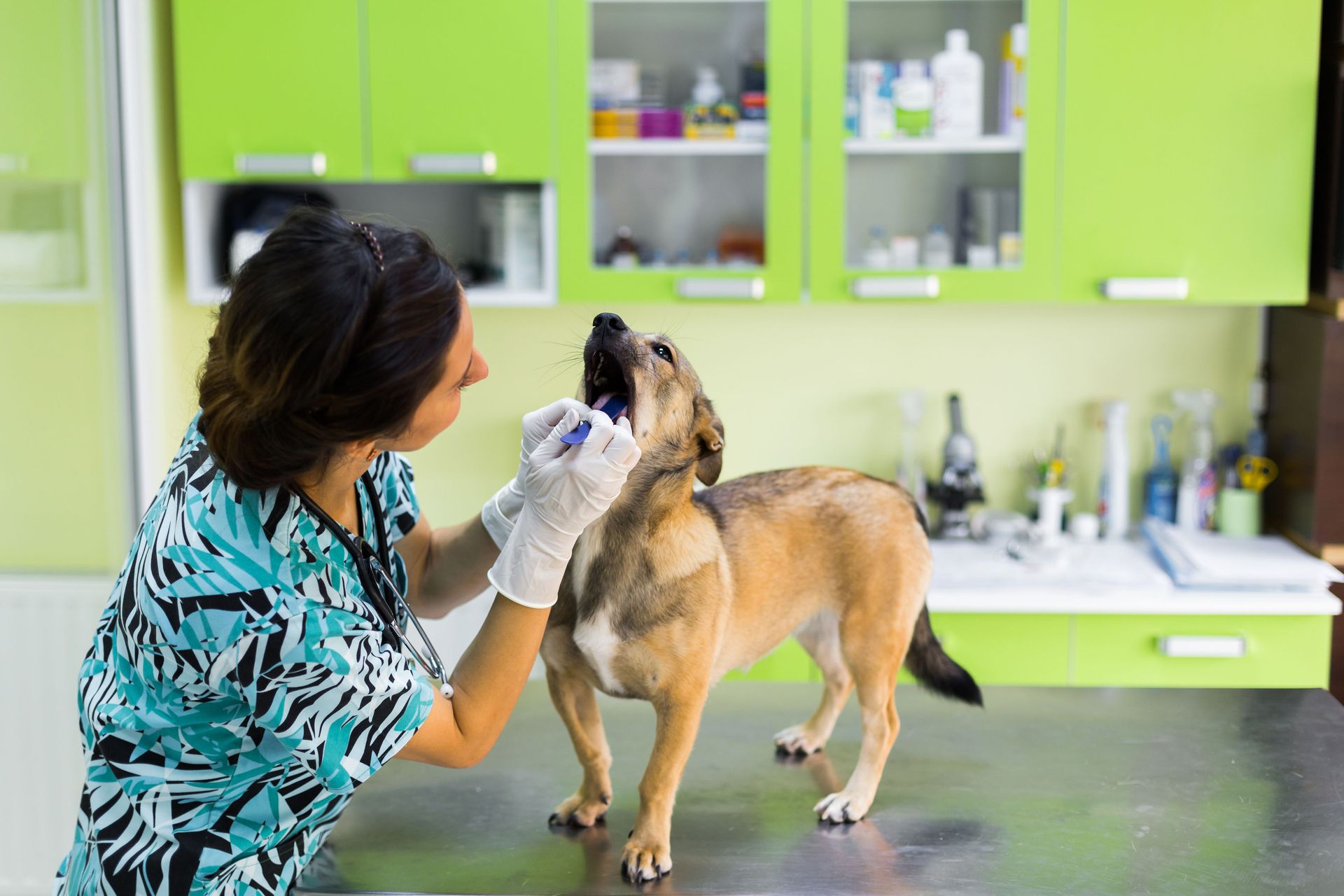
Dental health is often overlooked, yet it plays a significant role in a pet’s overall well-being. An animal hospital provides professional dental care that helps prevent oral diseases and supports long-term health. Regular dental evaluations allow veterinarians to identify issues such as plaque buildup, gum inflammation, and tooth decay.
Poor dental health can lead to more serious problems if left untreated. Bacteria from the mouth can enter the bloodstream and affect other parts of the body, making preventive care essential. By addressing dental concerns early, veterinarians help protect not only a pet’s teeth but also their overall health.
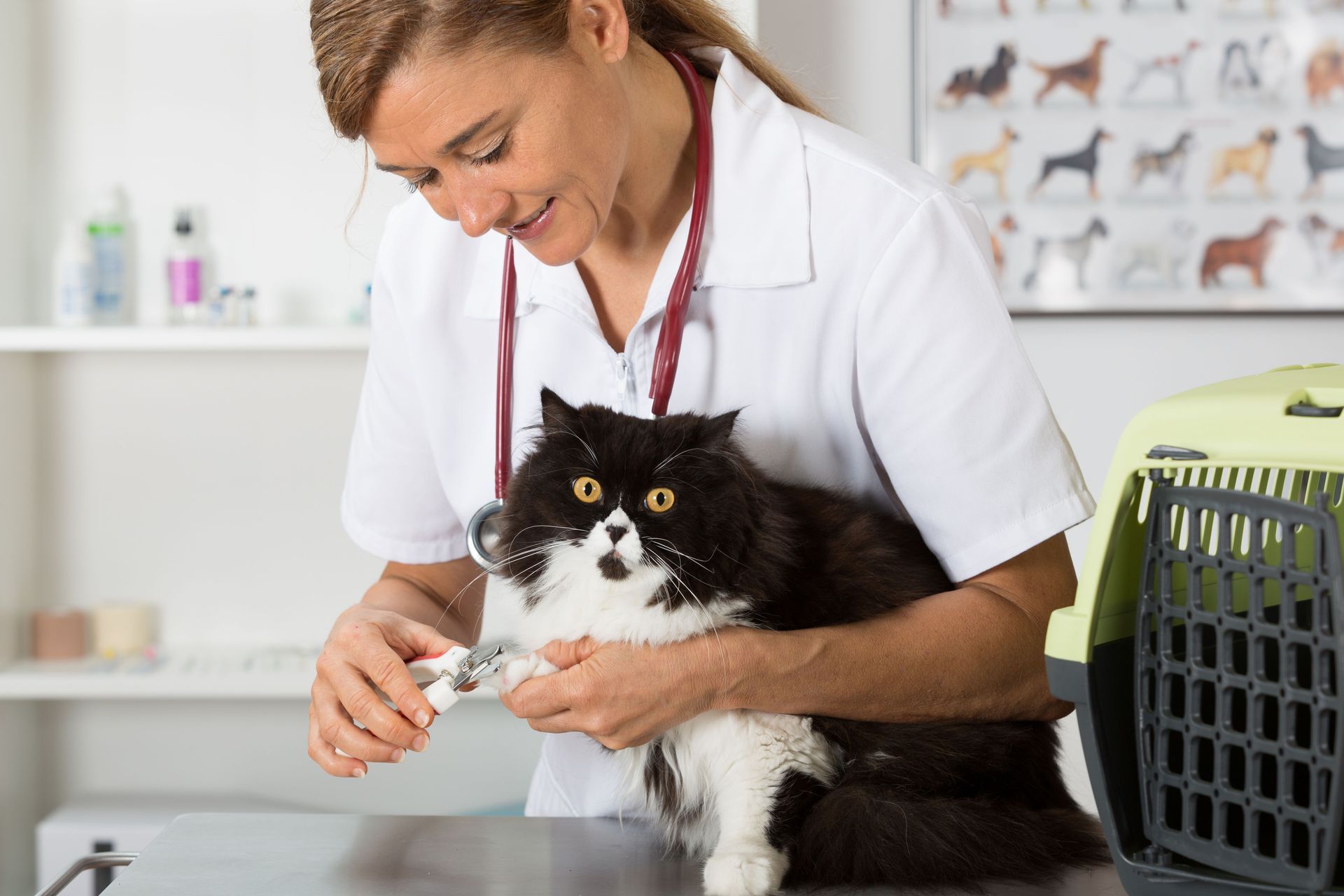
In addition to dental services, animal hospitals emphasize the importance of routine hygiene care. This includes guidance on grooming, skin care, and parasite prevention, all of which contribute to a pet’s comfort and well-being. Consistent hygiene practices help reduce the risk of infections and keep pets feeling their best.
Strengthening Long-Term Owner and Veterinarian Relationships
One of the most valuable aspects of working with an animal hospital is the relationship that develops between pet owners and veterinary professionals. Over time, veterinarians become familiar with a pet’s history, personality, and unique needs. This continuity of care allows for more personalized and effective treatment.
Strong relationships also improve communication. Pet owners feel more comfortable discussing concerns, asking questions, and seeking advice when they trust their veterinary team. This open dialogue ensures that pets receive timely care and that any issues are addressed before they escalate.
Additionally, long-term relationships make it easier to navigate important decisions about a pet’s health. Whether it involves treatment options, lifestyle adjustments, or end-of-life care, having a trusted veterinary partner provides reassurance and support during challenging moments.
Financial planning is another factor that influences long-term care. According to Sci-Tech-Today, about 23% of pet owners in 2024 have insurance to help cover their pets’ medical expenses. This growing trend highlights the importance of preparing for veterinary costs and ensuring that pets can receive the care they need without delay.
Encouraging Lifelong Wellness Through Consistent Care
An animal hospital does more than treat illness; it fosters a proactive approach to lifelong wellness. By encouraging regular visits and ongoing monitoring, veterinarians help pet owners stay engaged in their pets’ health journey. This consistent care builds a strong foundation that supports physical, emotional, and behavioral well-being.
Pets benefit from structured care plans that adapt to their changing needs over time. From early development to senior years, each stage of life presents unique challenges and opportunities for maintaining health. Veterinary professionals guide pet owners through these transitions, ensuring that pets receive appropriate care at every stage.
This comprehensive approach also reinforces the importance of routine. When pets receive consistent attention and monitoring, they are more likely to maintain stable health and avoid preventable issues. The result is a higher quality of life and a stronger bond between pets and their families.
Long-term pet health is built on a foundation of preventive care, professional expertise, and ongoing support. An animal hospital plays a vital role in this process by offering comprehensive services that address every aspect of a pet’s well-being. From early detection and chronic condition management to nutrition and advanced treatment, veterinary care ensures that pets receive the attention they need to thrive.
By prioritizing regular visits and building strong relationships with veterinary professionals, pet owners can provide their companions with the best possible care throughout their lives. This commitment to proactive health management not only improves longevity but also enhances the overall quality of life for pets and the families who love them.
At West Toledo Animal Hospital, we are committed to supporting your pet’s health at every stage of life. Our team works closely with you to provide compassionate, comprehensive care that helps your pet live a longer, healthier life. Reach out to us today, and let’s take the next step in your pet’s wellness journey together.








Share On: